
Have you ever been lying in bed one night and wondered whether your parents are safe in their own home, living alone? At some stage, as our parents grow older, we begin to notice small changes that gradually turn into bigger concerns. Perhaps your father forgot to take his medication on time, or your mother hesitated to leave the house because her eyesight had made everyday tasks like reading more difficult.
At first, these moments seem trivial. But day by day, they slowly become patterns that cannot be ignored.
Loneliness is another issue that is not spoken. Children relocate to new cities, neighbours are less accessible and all of a sudden the house that was once vibrant starts to seem silent. Consequently, isolation, health issues, and safety threats begin to concern both the elderly and their relatives. It is at this point that most families start to consider more formal care and seek out reputable senior living communities that provide safety, comfort, and companionship.
Assisted living is one of the options that can be considered here. Senior living homes are built to promote independence and offer assistance where necessary unlike the traditional care homes. In this emotional shift, families tend to seek a place where they can find a sense of belonging as well as reassurance. The Golden Estate is a community that strives to offer a clear, cozy, and welcoming atmosphere to seniors and their families.
Understanding What This Lifestyle Truly Means
Assisted living refers to a residential care model that combines private housing with structured medical oversight. It sits between fully independent setups and purely medical institutions. Residents receive daily support without surrendering personal autonomy. The framework balances safety with self-direction in routine decisions. Many families confuse senior living homes with long-term care facilities that focus primarily on clinical treatment. The distinction becomes clear when examining service scope and resident independence.
In senior living communities, residents receive help with activities such as bathing, medication management, and mobility support. Staff members remain available around the clock to maintain safety and rapid response coverage. Security systems operate continuously to monitor access points and common areas. A doctor is available from 9:30 to 5:00 for consultations. Medical professionals remain on call outside those hours for urgent concerns. This structure differs from independent living facilities that provide housing without medical supervision.
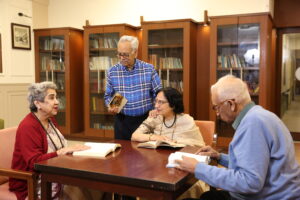
Community engagement is another structured component of assisted living environments. Organised programs encourage social interaction and cognitive participation. Residents choose activities based on preference and ability level. The objective is to preserve independence while reducing health-related risks. This blended approach defines the practical boundaries of assisted living as a lifestyle option.
The Difference Between Living Alone and Living With Support
Choosing between staying alone and moving into a structured community setting requires careful evaluation of daily needs. Many families underestimate the operational differences between these two arrangements. The comparison below outlines practical distinctions that affect safety, health access, and social stability. Each factor highlights how daily responsibilities shift when structured support becomes available.
| Aspect | Staying Alone | Structured Community Setting |
| Medical Access | On emergency basis | Doctor 9:30–5:00 + on call |
| Meals | Self managed | Freshly prepared meals + in house bakery |
| Housekeeping | Self managed | Full housekeeping and laundry |
| Social Life | Limited | Events, Activities, Lounges |
| Security | Residential | Gated 24×7 security |
Living alone requires complete self-management of health, nutrition, and domestic upkeep. Medical help typically becomes accessible only during emergencies. Daily meals depend on personal capacity and consistency. Household tasks accumulate without structured assistance. Social interaction often declines due to mobility or transportation limits.
Structured settings such as senior living homes introduce supervised medical access within defined hours. Professional staff remain available for routine and urgent concerns. Residents benefit from prepared meals and managed household services. Assisted living environments also organise events that encourage routine social engagement. Senior care facilities such as The Golden Estate present a middle path between isolation and excessive clinical oversight. This model reduces risk exposure without creating a hospital-like environment.
How Daily Life Is Structured Inside a Thoughtfully Designed Community
Daily life inside an assisted living community follows an organized system rather than a casual routine. The structure exists to reduce uncertainty in essential activities. Residents retain control over personal schedules within defined support parameters. Morning routines begin at self-selected times based on preference and medical advice. Staff members provide assistance only where required. This arrangement preserves dignity while preventing avoidable health risks. Senior living homes differ from independent living facilities because supervision remains clinically integrated.
Medical oversight forms part of the daily operational schedule. Doctor consultations are available between 9:30 and 5:00 within the premises. Health monitoring occurs without requiring external appointments. Support teams coordinate medication reminders and mobility checks systematically. Housekeeping and maintenance follow fixed service cycles. Residents are not required to manage cleaning or maintenance arrangements themselves.
Shared amenities operate under structured access guidelines. Fitness areas include a gym, sauna, steam, and jacuzzi with supervised protocols. Libraries and lounges provide spaces for quiet reading, relaxation, and social interaction. Internet and television connectivity remain consistently available across private and shared spaces. Fresh food services function through scheduled meal planning with quality monitoring. Assisted living environments maintain structured independence through predictable daily systems.
Real Experiences From Families Who Made the Transition
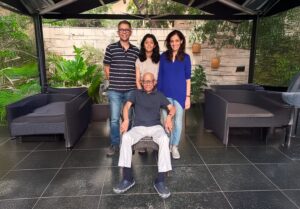
Families often hesitate before choosing senior living homes for a parent. Concerns usually focus on safety, emotional adjustment, and medical access. After the transition, many describe relief rather than regret. One daughter shared, “We were worried about leaving our father alone, but knowing there is a doctor available during the day and on call at night gave us peace of mind.” Structured oversight replaced constant anxiety about emergencies.
Another family reflected on the emotional shift they observed. “The social activities changed everything. My mother found friends again.” They had previously explored several senior care facilities before selecting The Golden Estate. Their decision centred on daily engagement rather than medical intensity. A third family member noted that predictable routines reduced confusion for their parent. These accounts illustrate how structured environments can stabilise both Residents and families.
Conclusion: Bringing Comfort, Care and Community Together
Choosing the right residential model requires balancing comfort with structured oversight. Reputed senior living facilities offer a defined combination of private space and medical supervision. This structure protects safety while preserving personal dignity. Residents maintain autonomy within clearly established support systems. Assisted living also strengthens belonging through organised community interaction. Social engagement reduces isolation without creating a clinical atmosphere.
The Golden Estate represents a refined example of this balanced approach. Its framework integrates daily assistance with predictable medical access. Security systems operate continuously to safeguard Residents. Community areas encourage interaction within structured boundaries. Families gain reassurance through transparent processes and consistent oversight. If your family is evaluating next steps, consider visiting and reviewing care models directly. A measured decision today can provide long-term stability and peace of mind.
FAQS
1. What is assisted living?
Assisted living is a residential care facility that integrates personal housing with day-to-day assistance and medical care. It assists the elderly to carry out tasks such as bathing, medication, and mobility without losing their independence. It provides organized care in an informal, community-based environment, unlike full-fledged medical centers.
2. At what age should families think about senior living homes?
Families should consider senior living homes when they struggle to carry out daily activities, when they miss medications frequently, or when they feel unsafe because of falls. It can also be used when loneliness begins to affect emotional wellbeing. Senior living homes provide structured support without removing autonomy.
3. What are the services provided in senior living homes?
Senior living facilities typically include daily living, medication, doctor appointments, and 24/7 staff. Residents are offered prepared meals, housekeeping, laundry, and security monitoring. Communities also organize social programs and activities to encourage interaction and reduce isolation.
4. Are senior living homes permanent or flexible?
Senior living homes tend to be flexible. Numerous communities provide trial stays, short-term, and long-term. The level of care can be modified with a change in health needs. This flexibility enables families to consider services prior to commitment and adjust support as time goes by without instant institutional transfer.
Also Read: