

A quick, safe, and comfortable recovery is always important, and that’s what assisted post-operative care homes focus on providing. Don’t stress about having to remember when to take medications, how to care for a wound, or climb stairs when you’re still recovering.
Deciding where an elderly parent should recover after surgery is one of the toughest decisions that grown-up children have to make when they’re living in another country. Supervised post-operative care facilities provide medical observation, regular therapy, and assistance with activities of daily living, all under one roof.
After joint replacement, heart or abdominal surgery, these homes provide many seniors a quicker, safer recovery than simple home care by reducing complications, enhancing mobility, and offering families peace of mind.
What is Post-Operative Care?
Post-operative care is the care a patient receives immediately after surgery and for the duration of their recovery. Think of it as a crystal-clear protocol for safely healing your body. To help you manage pain, keep the surgical area clean to prevent infection, and regain your strength and mobility (usually with the aid of therapy), this blog will help you through the recovery process.
This care is important because it decreases the risk of unexpected complications, so you can get back to your life as soon as possible.
Key Takeaways:
- Focus: It is a safe, healing, and recovery-focused plan.
- Safety Net: Caregivers are paying attention consistently for potential complications such as infection or bleeding.
- Objective: To regain strength and independence is the primary objective.
Why Post-Operative Care Really Matters
Sufficient post-operative care avoids unnecessary complications, maintains independence, and decreases the chances of re-hospitalisation. In elderly people, a slight delay in treatment, missed drugs, or ambulation that is not safe, is enough to prolong their recovery and put them at risk.
- Early detection of complications: The trained staff spots fever, wound signs, or breathing issues quickly.
- Consistent medication management: correct timing and dosing lower the risk of adverse events.
- Organised rehab facility: Daily physiotherapy helps you regain your movement.
24/7 Clinical Supervision: Marking Safety
The 24/7 nursing staff facility and on-call doctors allow issues to be detected and remedied quickly. No matter how consistent the home care is, you always fall short of a few things, like:
- Continuous monitoring of vitals, drains, and pain levels.
- Timely care and observation can lower the readmission rates.
Physiotherapy & Structured Rehabilitation
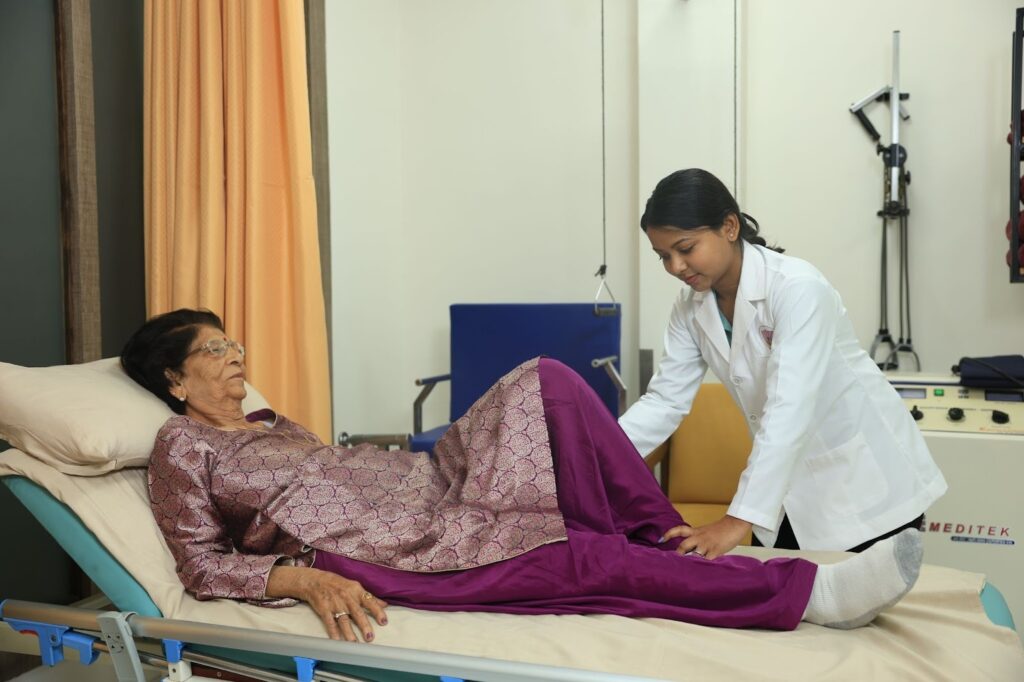
Recovery isn’t just rest; it’s active, vigilant, guided movement. Assisted living homes help you with custom rehab plans and require seniors to safely complete them every day to speed up their healing and reduce stiffness.
- Strengthening, balance, and joint mobility exercises.
- Guided manner of walking to prevent falls and rebuild confidence.
- Progress can be monitored using goal-oriented milestones like walking and climbing stairs.
Medication & Wound Management: Fewer mistakes, Fewer infections
Improper medication and wound care are among the leading causes of rehospitalisation in elderly people. Both are handled by professional teams who take care of every detail, reducing the risk of infection, making sure that pain stays in control.
- Medication deliveries are monitored and given on time, and prescriptions are reconciled.
- Sterile wound dressing and drain care by trained nursing staff.
- Treating pain that facilitates early movement and sleep.
Hospital-Grade Hygiene & Infection Control
Post-surgical wounds require clean, controlled environments. Post-operative care homes sometimes have hospital-level hygiene standards that help vulnerable seniors from infectious conditions.
- There are recovery suites that are designed for cleaning and ventilation ease.
- There are routine disinfection procedures and a professional cleaning staff.
- There are procedures for isolation, if necessary, to avoid cross-infection.
Emotional Support & Structured Routine
Recovery usually depends on the mental as well as the physical condition of the patient. Social contact, cognitive activity and counselling can also decrease levels of anxiety and depression, all of which can have positive effects on appetite, sleep and attendance in therapy.
- Companionship and activities promote social engagement and lessen loneliness.
- Counselling and video calls with family for emotional reassurance.
- Dietary support and hydration monitoring to maintain vitality.
Assisted Homes vs. Home Care
There are advantages of home care, such as comfort and familiarity. For most elderly post-operative patients, assisted living homes result in quicker and safer recovery with good outcomes.
- Advantages of home care: emotional stability, individual one-on-one care.
- Advantages of assisted homes: 24/7 medically supervised care, in-house rehabilitation, infection control and social services.
- The best choice depends on the nature of surgery, family presence, domestic safety and the general health risk of the senior.
Choosing The Right Assisted Post-Operative Home
When considering an assisted home for elderly parents, you will look for some qualities in clinical service, rehabilitation ability, hygienic atmosphere, and open Facility work, particularly when you are based abroad.
- On-call physician
- 24/7 nursing.
- On-site physiotherapist and individual rehabilitation.
- Housekeeping and clear infection control guidelines.
- Open billing, trial stays and family Facility work policy.
About Us: The Golden Estate
The Golden Estate is a top senior living Facility work in Delhi NCR with 24×7 medical care, in-house physiotherapy, psychologist services, and luxury suites crafted so that you can live comfortably, with dignity and clinically effective post-operative care.
- Proven track record: a Operator should be facility since 2013.
- Core care services: includes post-operative care, assistive care India, medication management and physiotherapy, together with safe, senior-friendly facilities.
- Family-oriented: regular updates, close to major hospitals, hospitality for visiting family.
Conclusion
The search for an appropriate assisted post-operative care home requires going through the basics to the needs that genuinely enable a person to stand on their own two feet. The best of them provide intensive, daily physiotherapy with world-class 24/7 medical oversight and rigorously enforced hygiene protocols to protect everyone and accelerate healing.
It’s about more than just getting older or getting treated for an illness; it’s about making sure they recover with their dignity intact and their independence restored. As you make your selections, seek out centres that are clear about their policies, keep the family informed, and allow you to set up a brief trial stay, like The Golden Estate.
“You want something that’s comfortable, but has really good medical care, and a place that really gets people their confidence and their lives back.”
FAQs
1. Is an assisted post-operative home safer than home care for seniors?
Yes, in intermediate and high-risk surgeries, 24/7 nursing and rehab services in assisted homes decrease complications and readmissions.
2. How long should a senior stay in a post-operative assisted home?
The length of stay varies according to surgery and recovery objectives; the typical length of stay is 1-6 weeks according to the wound healing, pain management and mobility objectives.
3. Will the family be kept informed if we live abroad?
Yes, homes such as The Golden Estate, which have a good reputation, provide frequent clinical updates, video and photo calls so the families abroad can be well informed.
4. Can physiotherapy at the facility replace hospital rehab?
Yes, in-house therapists offer personalised, progressive strategies, which in many cases equal hospital rehab outcomes, particularly when add-ons of supervision on a daily basis are added.
5. How does infection control in assisted homes compare with hospitals?
The best assisted living facilities are hospital-grade cleaned and have wound care protocols because they lower the risk of infection, but avoid some hospital exposure risks.
6. Is assisted post-op care expensive?
Prices depend on the location, services and room type. Select quality care based on the factor of clinical depth and not solely on the price.
Also Read