Growing older and feeling helpless or out of support are some of the real problems of elderly people in India. Ageing is a part of life, but for millions of senior citizens in India, the later years bring struggles that are avoidable if we notice them early and act with compassion. This blog explains the main problems faced by elderly people today with health, mental well-being, social ties, money, and safety. It gives practical, India-centric steps families and communities can take right away.
Physical Health: The Old Age Problem Of Care
The declining physical health is the most obvious problem of old age home in new delhi. Older people choose to live with some chronic diseases, such as arthritis, diabetes, and hypertension. Nowadays, it is very common to have more than one of these conditions, and when these happen at the same time, they are termed multimorbidity.
These complicated treatments increase the medical bills, treatments, and ongoing health care. As per the recent survey, the effect of multimorbidity affects a decent share of our older population.
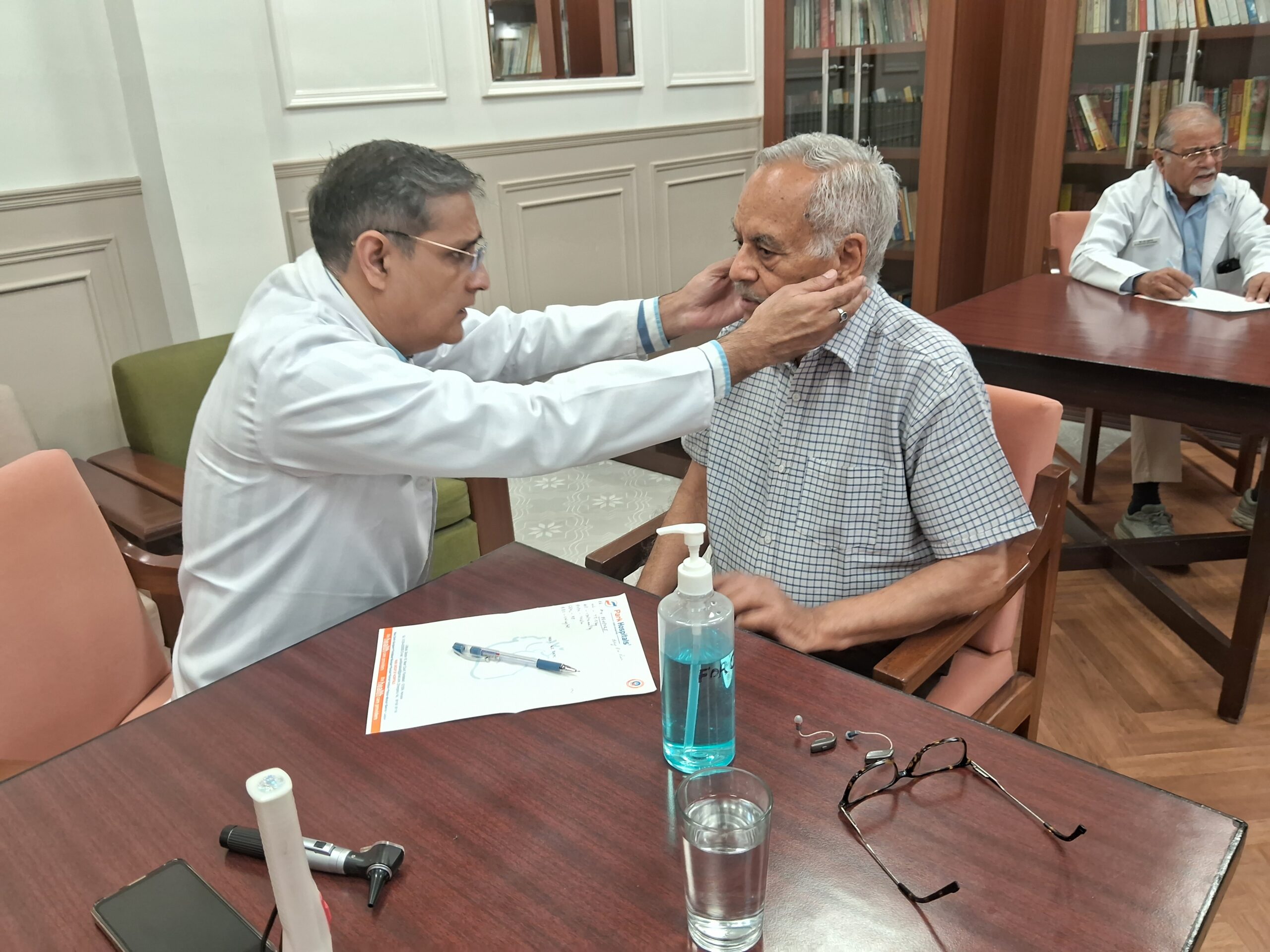
Keep an eye out for these symptoms, like sudden weight loss, multiple falls, new breathlessness, high or low blood pressure or blood sugar, and difficulty in swallowing. Everyday actions such as holding on to the bars, non-slip mats and raised seating, along with regular geriatric assessments, can prevent many accidents.
Mental Health: Memory loss, Loneliness, Depression, and Dementia
Mental health is invisible but impactful. Retirement, losing friends, limited roles in the family, and physical constraints can cause grief, anxiety, or depression. Declining cognition and dementia are also more prevalent in the older population, and families often are caught off guard by the care needed for such conditions.
In India, loneliness and social isolation among the elderly are pressing issues. A few large-scale studies have reported substantial levels of loneliness and social isolation in community-dwelling older people. Loneliness hurts emotionally, which eventually increases the risk for chronic diseases and even death. Timely diagnosis, counselling, socialisation, and dementia-sensitive care approaches can keep the individual safe.
Financial Insecurity: A Quiet Problem of Old Age
Many elderly people lack a good amount of pensions, savings, or health insurance, and they can be financially weak due to some repetitive unexpected medical bills. Switching from a steady paycheck to a fixed pension – or no pension at all – is a difficult adjustment for seniors (and their families). How families can help: start early, see what government pensions and schemes they are entitled to, shop around for senior-friendly insurance, and get the older family members involved in financial decisions to reduce the risk of exploitation.
Social Isolation and Loss of Purpose
Cities need to implement policies conducive to family-based care to fully play the role of filial piety. Urban migration, smaller families, and busy lives leave many elderly people living alone, or literally left out of day-to-day life. Being there doesn’t always add up to being included. Feeling sidelined or having no purpose is a major problem for seniors, and one that affects both their mood and health.
Practical fixes: include seniors in daily decisions, give them small responsibilities (care for a plant, light household chores), establish regular family calls, and connect them with local senior or community centres.
Safety, Abuse, and Neglect: Painful Problems Of Elderly People
Elder abuse, which happens in emotional, physical, financial, or neglect, is a distressing yet less spoken about problem in India. Various studies provide different numbers of prevalence (some surveys show single-digit national averages, while local surveys show higher numbers). Still, the consensus is that abuse does happen, that it often happens within families, and that it is frequently concealed. “Safe reporting mechanisms, legal awareness and vigilance of neighbours are important”
Anxiety to look out for includes unexplained injuries, unexpected bank withdrawals, isolation from friends and family, and anxiety around certain caregivers.
Why These Problems of Elderly People Persist Nationally
India is ageing. The proportion of elderly people is increasing fast, and experts predict a significant rise of the 60+ population in the coming decades – this “silver shift” is putting pressure on the health, social and financial systems and revealing cracks in geriatric care. Meanwhile, the senior-care industry is growing as consumers clamour for more structured, professional assistance. The result is that families often come up against uneven access to quality elder care india.
Small Steps Families Can Take Today
You don’t have to have a large budget to make a difference in the life of an elderly loved one. Below are a few easy and practical solutions to many of the common challenges faced by seniors:
- Health: have annual geriatric health assessments/medication reviews; produce a simple emergency contact and a list of essential meds.
- Home security: add grab bars, brighten your lighting, clear clutter, and place a sturdy chair in your bathtub.
- Sociable: organise weekly family time (for 30 mins if that’s all you have), show them how to make simple phone or video calls, and get them involved at a community group near you.
- Finance: check pension/scheme entitlement, get rudimentary health insurance and take a responsible family member with you for financial oversight.
- Mental health: normalise talking about how you feel, get short-term counselling if you are sad or anxious for a long time, and start doing things that are stimulating for you (reading, music, gentle exercise).
- Safety: Keep important documents safe, watch for abrupt changes in financial behaviour, and become familiar with area elder help lines and local law enforcement.
Real Numbers That Matter
- Older people in India are a marginal group both numerically and politically. The 60+ population is expected to increase dramatically in the next few decades, reaching nearly 20% of the population by around 2050, according to some projections. This shift in the population is already changing the way we care.
- Studies show multimorbidity (having two or more chronic conditions) affects a substantial share of India’s seniors. Many studies report multimorbidity rates ranging widely, but often in the multiple tens of per cent.
- The elder abuse in India is inconsistent, ranging from around 5% in a few national-level surveys to much higher figures in some local studies. Still, it does indicate that abuse occurs, and also that likely under-reporting is a problem.
Conclusion
The problems faced by elderly people are seldom triggered by one thing; they arise from the combination of health concerns, diminishing social roles, financial stress and holes in support systems. But a number of those difficulties can be eased or avoided with knowledge, forethought and kindness. If we create safer houses, healthier habits and more robust social networks, older age can be a time of dignity and purpose.
Frequently Asked Questions
Q1: What are the most common problems faced by elderly people?
There are several chronic illnesses such as diabetes, hypertension, arthritis, problems with mobility, cognitive decline, loneliness, financial insecurity and, in some cases, abuse or neglect.
Q2: How can families reduce loneliness and social isolation in older adults?
Plan routine visits or calls, motivating involvement in neighbourhood groups or religious organisations, modest tech training on video calls and including seniors in daily choices may help combat isolation.
Q3: Are there government schemes to help seniors in India?
Yes, there are pensions, welfare schemes and health schemes at the central and state levels. Families wishing to apply should seek advice and assistance in the application from the social services department in their area or reputable NGOS.
Q4: How can someone spot elder abuse, and what should they do?
The biggest red flags are injuries that aren’t explained, sudden changes in finances, or a caregiver’s isolation or fear. If you have any suspicions, report to local police, elder help lines or state welfare agencies, document concerns, and seek medical/legal.
Also Read