Post-surgery care is very important for recovery. As individuals grow older, their bodies naturally experience problems in day-to-day physical functioning, making them more prone to complications postoperation, and therefore the importance of proper post-surgery care cannot be overlooked.
In seniors with pre-existing health conditions such as diabetes, cardiovascular issues, or respiratory diseases, the recovery process gets complicated and makes the need for monitoring and specialized care services even more important.
A well-guided post-surgery care plan can lead to quicker recovery. Involvement from family members, caregivers, and healthcare professionals also contributes to this.
Families with awareness about the necessary care procedures can provide invaluable support, ultimately enhancing the healing process. By understanding medications and recognizing symptoms of complications, families can create an environment that supports recovery.
The collaborative efforts of families and healthcare teams play an instrumental role in ensuring that post-surgery recovery is as smooth and effective as possible.
Some Post-Surgery Challenges Faced by Seniors
Surgery often results in better health and improved mobility, but at home, post-surgery care often comes with added challenges. Especially for families living overseas, it brings a lot of concern. They are always worried about their health and the ability to care for their loved ones after surgery.
This article explores the common medical, physical, and emotional challenges seniors face after surgery and explains how assisted living Facility work such as The Golden Estate can provide an environment for faster, safer and more comfortable recovery and living of senior citizens.
Reason for Senior’s Struggle After Surgery
Post surgery, day to day activities like walking, getting dressed, eating, etc. might all of a sudden get difficult and need assistance. Not only this, risks such as delirium, breathing difficulties and a sudden loss of independence are common in old age.
Physiological Factors:
Slower wound healing: 40% longer than younger adults
Reduced muscle mass: Loss of 3-5% during hospitalization
Compromised immunity: 50% higher infection risk
Cognitive impairment: 40% experience post-operative delirium
Common Medical Issues
Some major medical problems faced by the patient can be:
Respiratory issues: shallow breathing, coughing or pneumonia, particularly after surgery on the abdomen or chest.
Heart issues: Patients sometimes experience new or worsened heart issues, especially in cases where patients have a history of heart problems.
Functional decline: A decline in mental abilities such as memory, attention, reasoning, problem-solving, or decision-making. It can result in forgetfulness and confusion or can even result in difficulties that interfere with day-to-day activities, Facility work, and independent living.
Emotional Challenges: Post surgery emotional challenges impact both motivation and recovery. In addition to this, pain, loss of function and isolation can lead to feelings of depression and insecurities. Moreover, interrupted sleep is also a predictor of delirium.
How Professional Care Speeds Up Recovery
Professional post-operative care is both clinical and compassionate. This is how it enables seniors to recover more rapidly and with less difficulty:
Clinicians can identify problems early and handle emergencies.
Healthcare professionals can create specific plans (medication, diet, physiotherapy, etc.) to suit the needs of individual elderly patients.
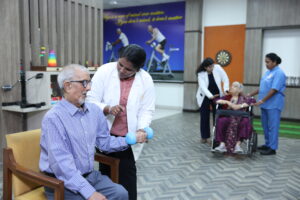
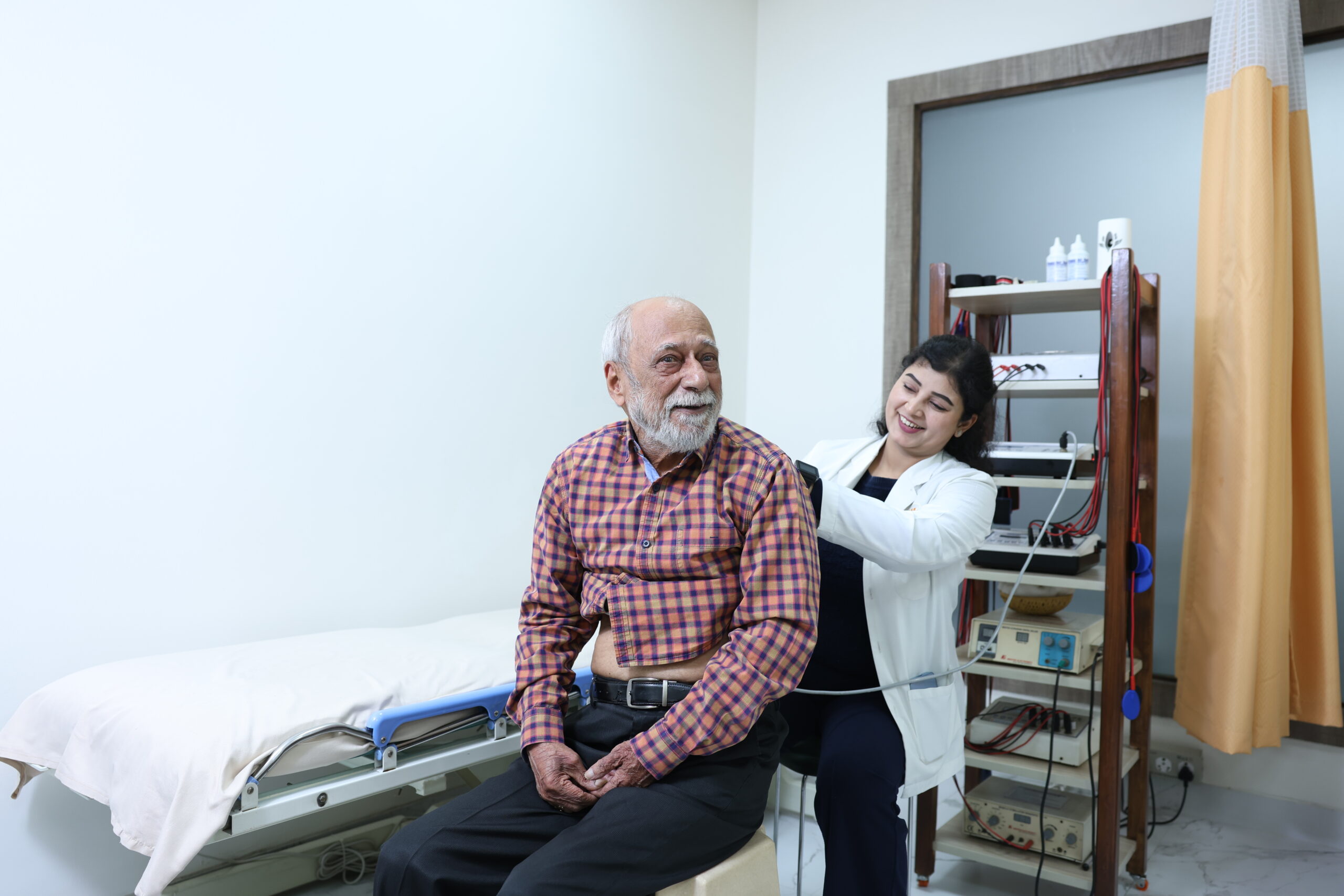
Physiotherapies and regular assisted movement can help stay active, reduce functional failure, and promote a faster recovery of independence.
Counselling and social interaction can help overcome symptoms of depression and anxiety.
Measures to Set Up A Recovery Environment For Seniors
Room Preparation:
- Hospital bed or adjustable bed
- Bedside commode if needed
- Walker/cane within reach
- Non-slip mats in the bathroom
- Adequate lighting 24/7
- Emergency call system
- Medication organization system
- Wound care supplies station
Safety Modifications:
- Remove throw rugs
- Install grab bars
- Clear walkways
- Secure electrical cords
- Adjust bed height
- Provide reaching tools
- Ensure phone accessibility
- Set up monitoring system
Why is a Luxury Assisted Facility Better for Seniors?
Luxury assisted homes offer enhanced comfort and one-on-one care, which further results in boosting recovery rates. A beautiful, opulent ambience helps overcome stress and promotes emotional healing. Seniors enjoy customized meals and medical care, and above all, they enjoy the care and attention they get. Luxury settings also improve quality of life during a vulnerable time.
Evaluating the Right Facility for Elderly Post-Surgery
When choosing post-surgery facilities for senior patients, families should always look for certified staff, their track record in elderly care and proximity to a good hospital. Facility work transparency, family updates, and emergency protocols are equally important. Taking a visit to the premises and speaking with the residents can help ensure informed decision-making for your loved ones.
To pick the right assisted living for post-surgery, focus on:
Medically Capable Staff: 24/7 licensed nurses & trained clinical staff and sufficient staff-to-resident ratio. Along with emergency protocols, safe rooms and wound care setups.
Environment & Logistics: location, licensing, clean facilities, good food
Support Systems: Facility work with family, emotional support and social activities to prevent loneliness.
Conclusion: Holistic Healing Beyond the Hospital
Post-surgical care is not merely a medical requirement, it’s a phase where the elderly need compassion, structure, and consistency. The right setting transforms recovery from a burden into an opportunity for renewal. Choosing specialised post surgery rehab care seniors facilities ensures a secure, empowering, and dignified healing experience.
About The Golden Estate
The Golden Estate is a luxury Indian assisted living Facility work that was designed with dignity and clinical and compassionate care. We provide suites under medical supervision, 24-hour nursing, physiotherapy on-site, nutritional plans, and counselling all under a single roof. We offer one of the most advanced post operative nursing care in Delhi NCR, integrating medical precision with warmth. With a team of expert nurses and in-house physiotherapists, The Golden Estate proves to be one of the best choices for assisted senior care facilities.
FAQs
1. What complications should I watch for after my parents’ surgery?
Be alert for sudden onset of confusion, fever, pain, difficulty breathing, redness or drainage at the wound site, loss of appetite, or difficulty moving; these require immediate attention.
2. How soon should physiotherapy start after surgery?
Mild physio usually commences within days to a week, depending on the operation. It prevents joint stiffness and speeds healing in the care of an expert.
3. Can assisted living manage post-operative medical needs?
Yes, good assisted living has nurses, med management, wound care and physical therapy. Check for the availability of clinical staff and doctors on site before deciding.
4. How long does recovery typically take for seniors?
The recovery process is individual, but generally, simple tasks recover in 6 weeks; more complex functions can be recovered in up to 6 months. Individual factors matter.
5. How will we stay informed?
Select a facility that will update on a schedule, include phone/video calls with physicians, and offer secure online portals to be able to monitor the treatment and progress anywhere.
6. Is emotional support important after surgery?
Absolutely! Counselling, a healthy routine, and social involvement lessen depression and cognitive problems, which in turn contributes to physical recovery.
Read More