The surgery of an elderly parent puts the entire family in an anxious and concerned state. You always want them to be safe, comfortable, and heal properly at home. But you don’t always know what the proper way is. Grown-up children juggle between their work and home while trying to provide the best possible support to their parents in every situation.
In this blog, you will understand the exact details of how you should take care of elderly people after their surgery. Describing the correct healing process to follow each day and explaining how to prevent common complications form the foundation of effective post-treatment care. Proper post-operative care for older people ensures their healing in a more comfortable, safe manner. And if at any point you feel that you need any professional support, connect with The Golden Estate for trusted care options, home nurses, and physiotherapy assistance in your city today.
Why Post-operative Care for Elderly People Matters
Healing takes longer than expected in elderly people because post-surgery recovery varies widely from person to person. Many elderly people have chronic conditions like diabetes, high blood pressure, or osteoporosis. Which means small problems can create big issues. When you treat them well, they reduce their chances of re-hospitalisation. And in that way, families stay calm and less worried.
Proper post-operative care:
- Can contribute to limited infection and wound deterioration.
- Reduce the risk of blood clots and lung problems.
- Enhance mobility and prevent chronic weakness.
Quick Checklist After Discharge For Families
Before you bring your parents home after discharge, make sure to check these things first:
- Get clear written instructions from the surgeon. (medicines, wound care, follow-up date)
- Get a list of emergency signs to watch out for.
- Know the medicine names, doses, and when to stop and start.
- See if a physiotherapist is required at home.
- Ask whether a professional nurse is required for assistance.
Practical Steps: Daily Care Made Simple
Let’s take it one step at a time. Apply these practical steps each day for better recovery:
1. Medication and Pain Management
It’s essential to take all doses on time by using a pillbox or alarm to remind you. If your doctor gave antibiotics, make sure the course is complete, even if the patient feels better before it’s finished. This is what keeps the infection from coming back. And never forget to call the doctor if the pain is increasing or not under control with the medication, because too much pain can affect the process of healing.
2. Caring for the Wounds and Dressing
The wounded area must be kept clean and dry. Change the bandages and clean the wound as instructed by the nurse or doctor. Watch the wound closely for any infection. If the wound looks like it is getting red, warm, oozing excessive fluid, or smelling bad, call a professional immediately, as it might be an infection.
3. Little Movement Every Day
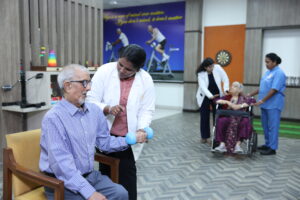
Help the body heal and prevent complications like blood clots by doing just a little movement every day. Start with simple leg and breathing exercises. It’s better to do short sessions frequently throughout the day than one long session. Help them to sit up, stand, and walk a little bit as soon as the doctor tells them it’s all right. Movements promote appetite and circulation.
4. Food and Hydration
Concentrate on the consumption of small, bite-sized portions multiple times a day, rather than consuming large meals. Stick to bland, easily digestible, and nutritious food such as dal, rice khichdi, boiled vegetables, fruit, and curd. Unless your doctor tells you otherwise, be sure they drink enough water to keep them from becoming dehydrated. Cleansing the body naturally is essential, as it can energise the body for fast healing.
5. Rest and Sleep
They require a lot of rest, but they shouldn’t lie in bed all day. Moving gently is good for them. Don’t hesitate to let them take a nap during the day, but wake them up now and then. At night, keep the environment of your home calm and quiet so they can get a deep rest.
Exercises Families Can Safely Try At Home
Do only what the doctor or physiotherapist tells you to do. These simple exercises are good for circulation and to avoid stiffness. A physiotherapist can show you how to do them correctly. Safe choices often are:
- Breathing deeply: Inhale slowly and exhale entirely, for 5–10 breaths every hour.
- Ankle pumps: While they lie down, flex their feet up and down. Do it for 1 to 2 minutes every hour.
- Sit-to-stand: Make them practice normal sitting and standing practices with the help of a chair.
Get Urgent Help: When to Call the Doctor
Give a call to the surgeon or family doctor if you see any emergency. Have phone numbers of your local hospitals and ambulance services handy. Look for these unusual activities:
- High fever (more than 101°F / 38.3°C).
- Breathlessness or chest pain.
- Bleeding wound, or pus coming out.
- Confusion, abrupt somnolence, or failure to wake readily.
- Sudden severe pain that is not relieved by medication.
How To Arrange Safe Home Care
If your family lives far away, you may want to consider an assisted living or rehabilitation centre for temporary recuperation. The Golden Estate provides assistance to families in connecting with trusted local care and informs the families on safe alternatives, while considering the comfort of the senior resident. You may require additional assistance, such as:
- Requesting a professional home nurse to provide care.
- Hiring an attendant to help with bathing and feeding.
- Getting home physiotherapy for early movement and exercises.
Simple Home Safety Changes To Make
These are simple changes that make a significant impact. Minor adjustments lead to major reductions in injuries.
- Remove rugs and cords from your walkways.
- Keep a night lamp by the bed.
- When travelling, always have a stool or walker handy.
- Store all their medications in one place, and clearly label them.
- Have a bell or a phone installed within reach of their bed for assistance.
How Can Families Care For Themselves
Taking care is not an easy task. A rested caregiver makes better decisions. You have to be well to take care of them.
- Divide responsibilities with your siblings or other family members.
- Take short breaks each day; even 20 minutes will help.
- Join a caregiver support group like The Golden Estate for community contacts.
- Get an introductory course in first aid and drug safety.
Common myths
- Myth: “If they rest all day, they will heal faster.” — No. Gentle movement helps healing more effectively.
- Myth: “Antibiotics are always needed after surgery.” — Only if the doctor prescribes them. Do not self-medicate.
Final checklist before the first follow-up
- The wound is clean, and the dressing is done correctly.
- Medicines should be set up and explained.
- Follow-up appointment in diary/phone.
- Emergency signs should be listed on the fridge or doors.
- Home help or physiotherapy arranged if needed.
Conclusion
Post-operative care for the elderly is gentle if you know how to do it. Give them their medications on time. Keep the wound clean, and help them move a little every day. Look out for signs. Baby steps every day can add up to reduce problems and promote faster healing. Are you in need of help arranging nurses, physiotherapists, or short rehab stays in your city? We link families with trusted local caregivers. Call or message The Golden Estate to schedule your free guidance call. Let us guide you in making recovery safe and serene.
FAQs
1) What are the 5 P’s of post-op care?
The 5 Ps assist you in easily monitoring blood circulation and nerve condition post-surgery, particularly at home, among older patients. The 5 P’s include: Pain, Pallor, Pulselessness, Paresthesia, and Paralysis. In case they emerge abruptly, call the doctor.
2) What are the steps for post-operative care?
It is easy to maintain a straightforward routine of post-operative care. Such measures make the recovery process easy and prevent complications in elderly patients. The main ones are prompt medicines, proper wound care, minimal movement, healthy little meals, and monitoring of fever or breathlessness during the healing process.
3) What is the best care for the elderly?
Respect, safety, good nutrition, timely medicines, and emotional support are the best practices of elderly care. Add basic routines and frequent body movement to make them move and feel self-assured.
4) What are the five principles of caregiving?
When you take care of seniors, you can find meaning in your care when you stick to core principles that will guide your behaviour, communication, and support. The five principles are Respect, Safety, Comfort, Clear Communication, and Independence. These guarantee compassionate, secure, and empathetic care.
5) What are the three goals of postoperative care?
The three objectives include the prevention of complications, healing support, and management of pain. These objectives will ensure that your aged parent will not only recuperate safely, but also resume normal activities sooner.
6) What are the 5 C’s of patient care?
The 5 Cs are Compassion, Communication, Competence, Confidentiality, and Continuity. These generate trust, safety, and seamless care between the hospital and home.
Also Read: