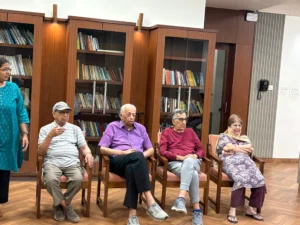
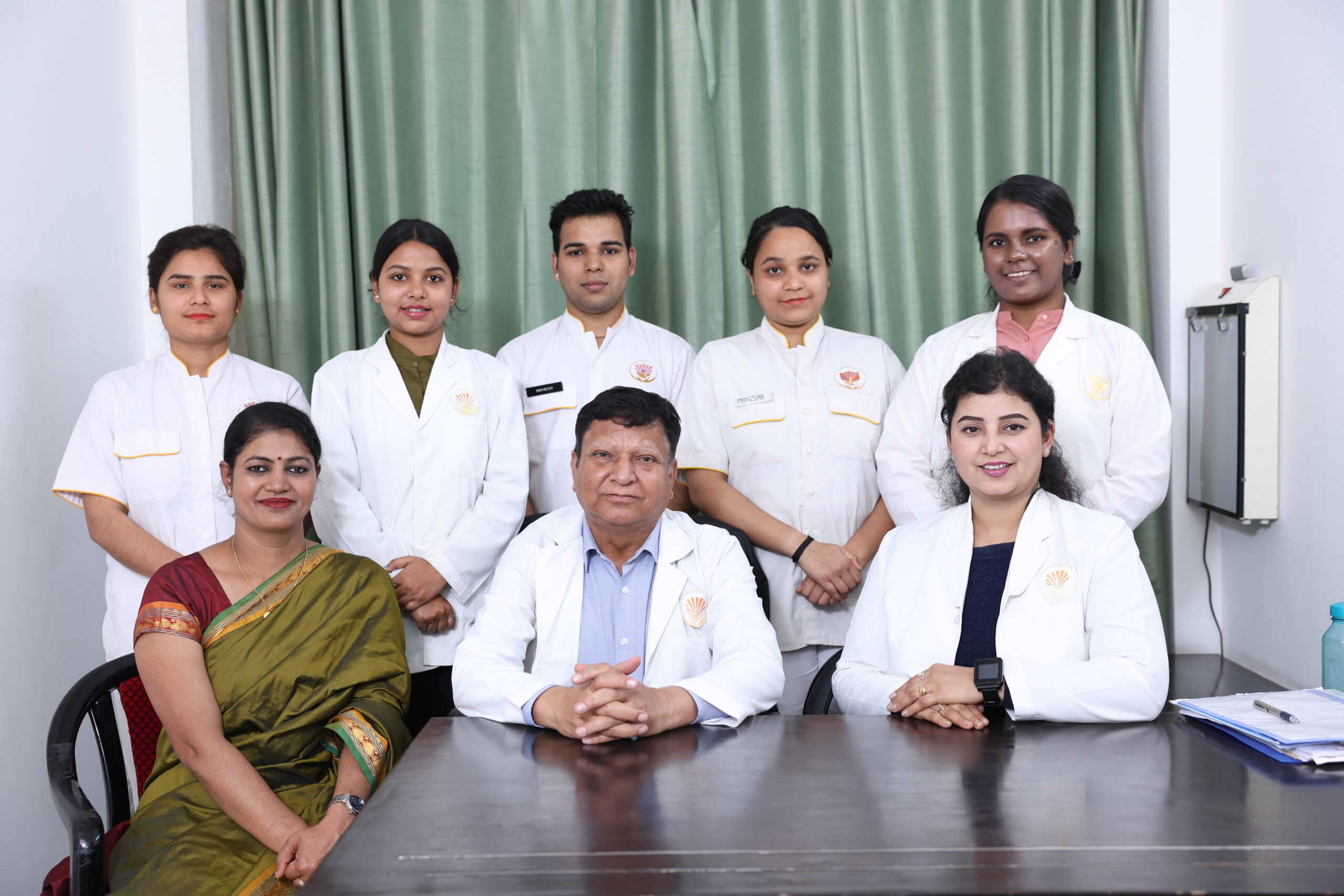
Surgery is more difficult to recover from when you are older. For families, particularly adult children who live in another country, knowing that there is 24/7 professional medical care available is a comfort. Constant medical supervision prevents complications, promotes rehabilitation, and allows the Elderly Post-Operative Recovery their independence more rapidly, he adds. In this blog, you can understand how continuous medical supervision is helping you after surgery, what you should look for in a luxury assisted-living facility, and why Golden Estate is dependable.
Why Elderly Post-Operative Recovery is Different For Older Adults
The bodies of the elderly tend to heal slowly, medicines work differently with them, and minor problems can also escalate rapidly. Elderly patients require strict observation, prompt medication, and personalised rehabilitation protocols in the fragile weeks following surgery.
- Increased risk of complications: There are associated risks with advancing age, such as infections, blood clots, delirium, and side effects from medications. Early detection matters.
- Medication complexity: More drugs (polypharmacy) increase the risk of interactions supervised dosing helps avert errors.
- Decreasing mobility and strength: Without supervised physiotherapy, elderly individuals mobilise and lose their muscles and independence at a much quicker rate.
- Emotional strain: Anxiety, isolation, and disrupted sleep may hinder recovery social support promotes healing.
What Is “24×7 Medical Supervision”?
Real around-the-clock care is more than just having someone watch over you; it’s a whole, integrated approach where a full team is focused on every aspect of your health, recovery, and safety that includes instant backup plans for any contingency.
- Every hour, Skilled Nursing care: Expert Nurses perform wound evaluation, give injections, medication on schedule, and take vital signs.
- On-call doctors: rounds by physicians on a daily basis and rapid access to specialists (cardio, ortho) to reduce waiting periods.
- Physiotherapy & occupational therapy: Supervised therapy, one-on-one with a professional every day, exercises to regain strength and prevent further complications.
- Nutrition and hydration schemes: Diets designed to promote recovery (protein, vitamins) and for diabetes/heart disease.
- Remote or automated monitoring: Through devices and telehealth, your vitals can be monitored, and your care team will be notified if you experience subtle declines.
- Established emergency procedures: Helicopter transport and hospital coordination in the event that you need to be escalated.
How 24×7 Supervision Improves Outcomes
Around-the-clock care. Having full-time care helps to minimise discomfort. It keeps small problems from becoming emergencies, reduces re-hospitalization, speeds up mobility, and assists the elderly in dealing with pain and medication security.
- Early detection of complications: Early detection of infection, bleeding, or respiratory difficulties in the wound or constant monitoring of the vital signs prevents these from leading to an early major deterioration angle.
- Decreased readmissions in the hospital: Studies and programs indicate that transitional care and monitoring lower unwarranted hospital readmission after surgery.
- Pain management and sleep: 24-hour monitoring allows the personalization of pain management that is both safer and increases mobility and sleep, which is essential to the healing process.
- Lessening long-term disability: Daily activity plans and physiotherapy result in lessening long-term disability and restoration of independence in the elderly earlier.
- Medication safety: Professional dosing will eliminate dosing mistakes that tend to cause complications.
Features Families Should Look For These
Assisted living is not similar to one another. These pragmatic attributes are what can distinguish between a clinical and safe program and hotel comfort when it comes to selecting a high-end facility to recover after an operation.
- 24-hour trained nursing: Not attendants, but quality trained nurses who document and escalate care.
- Physiotherapy facility: Exercise programs and daily therapy rooms that are senior-friendly.
- On-call doctor and visiting specialists: Fast access to physicians eliminates avoidable delays in care.
- Infection control and clean room: Clean wound supplies, proper cleaning, and special recovery rooms.
- Diet plans/ nutritionist: Post-op diets based on comorbidities (diabetes, hypertension).
- Emergency procedures and hospital connections: well-defined ambulance and hospital routes; procedures of escalation are documented.
- Easy billing and insurance coverage: Paying with no cash or assisting with paperwork takes away the stress on the family.
What a Good Plan Looks Like: Hospital → Assisted Living
It is considered that recovery is always easier and more successful if it starts before the patient is discharged. The most effective way to make sure that you recover fully and aren’t readmitted to the hospital is to have a written plan that walks you through step-by-step, and that ensures everyone who takes care of you has the information they need.
- Detailed discharge summary: including medication lists, surgical notes, instructions for wound care, and signs which could be considered red flags. Families should have a copy of this.
- Medication reconciliation: Nurses review hospital medications with new prescriptions to prevent duplication and/or harmful omissions.
- Physiotherapy schedule; Mobility targets and home-modification advice.
- Family communication plan: Updates (phone/video) at scheduled times for family members living abroad, including progress notes that are documented.
- Remote monitoring: Hardware and software that allow patients to check in virtually during the critical first days and identify early warning signs.
Emotional, Social, And Quality-of-life Benefits
It’s not just your body; your mental and emotional well-being matters a lot. As you heal, loneliness, confusion, or loss of appetite can actually slow your body’s recovery.
- Surround yourself with kind people: A compassionate community banishes that isolation and confusion. Your body heals better when you feel supported.
- Friends and Family Help: Having company and time to socialize is a natural stress reliever. It also lowers the stress hormones, makes you sleep better, and increases your appetite. It’s also a way to keep yourself mentally sharp and can help stave off depression.
- Stick To A Schedule: Predictable routines, such as fixed times for meals, mild exercise, and therapy appointments, provide structure and a sense of purpose for the day. A predictable day makes your mind feel safe, which makes your body heal more quickly.
- Get the Family In: The best centers for care see to it that family is included in the plan. It fosters comfort for everyone, builds trust, and makes big decisions a lot easier.
About The Golden Estate: Families Trust
The Golden Estate is a quality assisted living facility india. It’s intended for older adults who require a safe, comfortable place to convalesce after a hospital stay or surgery. They combine luxury living delhi with full-time assistance.
- Reliable and Established: This place has been catering to seniors since 2013, and so it has plenty of long-term experience.
- Assistance is Always There: They have qualified personnel on-site 24 hours a day to assist you and to ensure your safety and security.
- Great for Recovery: They have a special program for short-stays for people who are recuperating from surgery. Their customized plans take the pain out of transitioning from the hospital to home.
- Emphasis on Comfort:They have pleasant rooms, nutritious food, and social interaction. It’s all designed to relieve stress, which is a big part of feeling better and healing properly.
Conclusion
So, making sure you have the right place for an elderly family member recovering from surgery is huge. Since they receive constant professional care, they not only heal faster but also prevent complications, which provides the whole family, particularly those who live far away, with profound peace of mind that their loved one is safe. If you are looking for a facility that offers rigorous medical supervision in a warm and respectful community environment, with a clear recovery roadmap, you are picking a place that values both their healing and their happiness.
FAQs
1. What does “24×7 medical supervision” mean for my elderly parent?
The term 24×7 medical supervision means nurses and staff are available around the clock every hour, doctors are on call, scheduled physiotherapy sessions are available, and they can detect emergencies immediately.
2. Will staying in assisted living after surgery reduce hospital readmission?
Yes, Coordinated follow-up care, watchful monitoring, and rehab can reduce preventable readmission by identifying issues early and making sure the patient is taking the right medications.
3. How long should a post-operative recovery stay be?
It varies by type of surgery and recovery goals: generally, a few days to 6–12 weeks for major surgeries, with periodic assessments by the treatment team.
4. Can families abroad stay involved?
Yes, good facilities provide daily updates, video calls, written progress notes, and you can contact or talk directly to doctors or nurses. Inquire about a family-communication policy.
5. What qualifications should the nursing staff have?
Request specifically for trained registered nurses (RNs), expertise in geriatric/post-operative care, and physician oversight. Emergency training is essential.
6. Is post-op care covered by insurance?
The post-operative care coverage varies. Some institutions help with cashless claims or documentation. Always confirm with your insurer and the institution before making a reservation.
Also Read