Growing older brings many changes to the body. Knees may feel stiff in the morning, climbing stairs can become tiring, and even getting up from a chair may require extra effort. For many senior citizens, these small difficulties gradually affect their confidence and ability to manage everyday activities.
But ageing does not have to mean giving up an active and independent lifestyle.
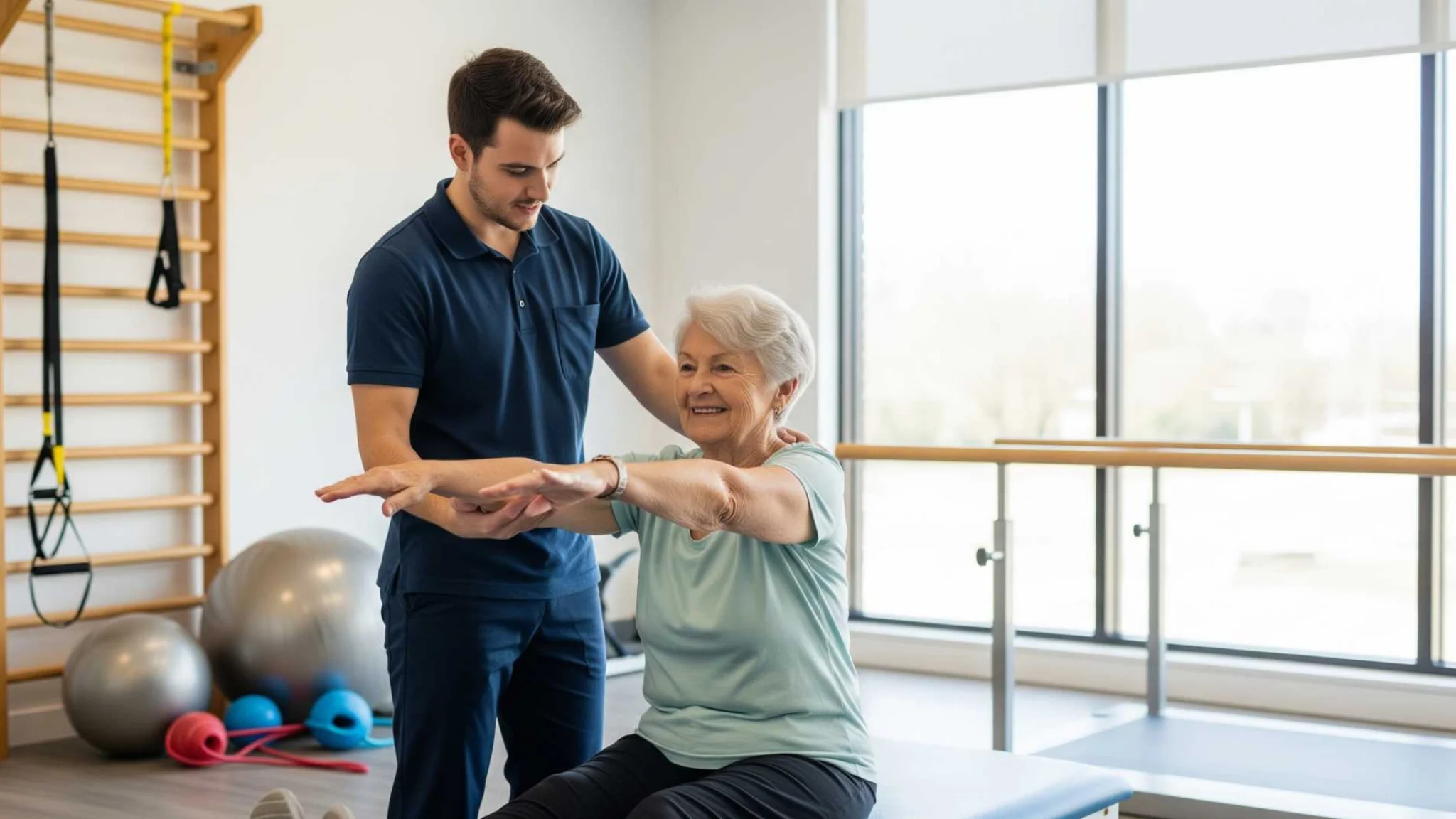
Physiotherapy for senior citizens helps older adults improve mobility, manage pain, strengthen muscles, and maintain better balance. Whether someone is recovering from surgery, managing arthritis, or experiencing age-related weakness, the right physiotherapy programme can make everyday movements easier and safer.
The goal is not simply to exercise more. It is to help seniors continue doing the activities that matter to them, from walking comfortably around their homes to spending time outdoors with family and friends.
In this guide, we explain the benefits of physiotherapy for elderly people, effective exercises, recovery expectations, and important safety precautions.
What Is Physiotherapy for Senior Citizens?
Physiotherapy for senior citizens, also known as geriatric physiotherapy, is a specialised approach to physical rehabilitation that addresses the changing needs of older adults.
As people age, muscles may become weaker, joints can lose flexibility, and balance may become less reliable. Certain medical conditions, such as arthritis, osteoporosis, Parkinson’s disease, or stroke, can also affect movement.
Geriatric physiotherapy focuses on improving physical function through personalised exercises, movement training, balance activities, and rehabilitation techniques.
A physiotherapist first assesses the senior’s physical condition, medical history, strength, walking ability, and mobility limitations. Based on this assessment, they develop an individual treatment plan.
The purpose is to help seniors:
- Walk and move around more comfortably.
- Manage joint pain and stiffness.
- Improve strength and flexibility.
- Maintain balance and reduce fall risk.
- Recover mobility after illness, injury, or surgery.
- Perform daily activities with greater independence.
Unlike general fitness routines, physiotherapy programmes are adapted to the person’s health, physical abilities, and recovery goals.
Why Is Physiotherapy Important for Elderly People?
As we grow older, the body naturally undergoes changes that can affect movement and physical strength.
One common concern is sarcopenia, the age-related loss of muscle mass and strength. Reduced physical activity can make this problem worse, making everyday movements increasingly difficult.
Balance problems, joint conditions, previous injuries, and long periods of inactivity can also contribute to reduced mobility.
According to the Centers for Disease Control and Prevention (CDC), adults aged 65 and older should include aerobic activities, muscle-strengthening exercises, and balance training in their weekly routines.
However, not every senior can comfortably follow a standard exercise programme.
This is where physiotherapy becomes particularly valuable. A qualified physiotherapist can recommend appropriate movements, adjust exercise intensity, and help seniors gradually build their physical capabilities.
For an older person who struggles to walk confidently or stand without support, even a small improvement in strength can make a meaningful difference to daily life.
8 Key Benefits of Physiotherapy for Senior Citizens
1. Improves Mobility and Flexibility
Stiff joints and weak muscles can make activities such as walking, bending, dressing, and climbing stairs uncomfortable.
Physiotherapy introduces controlled movements and stretching exercises that help maintain joint mobility and improve flexibility.
For example, gentle knee exercises may help a senior with arthritis move more comfortably, while hip-strengthening exercises can support walking and standing.
Improved mobility helps older adults participate more easily in daily activities.
2. Helps Manage Joint Pain and Stiffness
Joint pain is a common concern among older adults, especially those living with osteoarthritis.
Physiotherapy can help manage pain by strengthening the muscles that support affected joints, improving movement patterns, and gradually increasing activity tolerance.
Depending on the condition, a physiotherapist may recommend:
- Gentle stretching exercises.
- Muscle-strengthening activities.
- Joint mobility exercises.
- Posture correction.
- Safe movement techniques.
Although Physiotherapy cannot reverse every age-related joint condition, it can often improve physical function and make daily movement less uncomfortable.
3. Improves Balance and Reduces the Risk of Falls
A fall can significantly affect an older person’s confidence and independence.
After experiencing a fall, some seniors begin avoiding walking or outdoor activities because they fear falling again. Unfortunately, reduced activity may further weaken muscles and affect balance.
Physiotherapy addresses these concerns through balance training, lower-body strengthening, and walking exercises.
A structured programme can improve stability and reduce fall risk, although it cannot eliminate the possibility of falling completely.
Exercises are especially helpful when combined with a safer living environment, suitable footwear, and appropriate mobility aids.
4. Strengthens Muscles and Supports Independence
Strong muscles help seniors perform everyday tasks such as getting out of bed, standing from a chair, carrying light objects, and walking.
Physiotherapy helps maintain or rebuild muscle strength through exercises suited to the individual’s abilities.
Simple activities, such as repeated sitting and standing or supported heel raises, can help strengthen muscles used in daily movements.
With consistent practice, seniors may find routine activities easier and require less physical assistance.
5. Supports Recovery After Surgery
Older adults sometimes require surgery for conditions such as hip fractures, knee problems, or other joint-related concerns.
After surgery, pain, swelling, weakness, and temporary mobility restrictions may affect recovery.
Postoperative physiotherapy helps patients gradually restore movement, rebuild strength, and return to daily activities.
For example, following knee replacement surgery, a physiotherapist may guide the patient through appropriate exercises to improve knee movement and strengthen surrounding muscles.
The rehabilitation programme must follow the surgeon’s instructions, particularly regarding weight-bearing restrictions and movement precautions.
6. Helps With Rehabilitation After Stroke
A stroke can affect muscle control, coordination, balance, and walking ability.
Physiotherapy is often an important component of stroke rehabilitation. It may involve exercises to improve movement, practise standing and walking, and develop safer ways to perform daily activities.
Recovery varies considerably depending on the severity of the stroke and the individual’s overall health.
Although Physiotherapy cannot guarantee complete recovery, it can help many stroke survivors work towards greater mobility and independence.
7. Improves Posture and Walking Confidence
Poor posture, weak core muscles, and changes in walking patterns can affect stability.
Physiotherapists may recommend posture exercises, strengthening activities, and gait training to improve how seniors stand and walk.
They may also assess whether a walking stick, walker, or another mobility aid could improve safety.
As walking becomes more manageable, older adults may feel more confident moving around their homes and participating in social activities.
8. Supports Physical and Emotional Well-Being
Limited mobility can affect more than physical health.
Seniors who struggle with walking or experience frequent pain may gradually stop attending social gatherings, visiting friends, or participating in recreational activities and hobbies.
Improved movement can make these activities more accessible.
Regular physical activity is also associated with benefits for sleep, mood, and overall well-being.
By helping seniors remain active and engaged, Physiotherapy can support a better quality of life.
7 Simple Physiotherapy Exercises for Senior Citizens
The following exercises are commonly used to support mobility, flexibility, strength, and balance in older adults.
However, not every exercise is suitable for every senior citizen. Older adults with significant joint pain, osteoporosis, heart conditions, recent surgery, dizziness, or a history of falls should consult a qualified healthcare professional before beginning a new routine.
These examples are intended for seniors who have been medically cleared for gentle activity.
1. Seated Marching
Best for: Gentle hip movement and lower-body mobility.
How to do it:
- Sit upright in a stable chair with both feet on the floor.
- Slowly lift one knee a comfortable distance.
- Lower the foot gently.
- Repeat the movement with the opposite leg.
- Alternate legs for 10 repetitions on each side, if comfortable.
Benefit: Helps maintain hip movement and activates muscles used during walking.
2. Ankle Pumps
Best for: Ankle flexibility and gentle lower-leg movement.
How to do it:
- Sit comfortably with both feet supported.
- Lift the toes towards the body while keeping the heels down.
- Gently point the toes away.
- Repeat the movement 10 to 15 times.
Benefit: Maintains ankle mobility and activates lower-leg muscles.
3. Sit-to-Stand Exercise
Best for: Strengthening the thighs and improving functional independence.
How to do it:
- Sit on a sturdy, non-wheeled chair placed against a wall.
- Keep both feet flat on the ground.
- Lean slightly forward and stand up slowly, using the armrests if necessary.
- Pause briefly while standing.
- Slowly return to the seated position.
- Start with 5 repetitions, if comfortable.
Benefit: Strengthens muscles needed for standing, walking, and getting out of a chair.
Safety tip: Seniors who cannot stand steadily without assistance should perform this exercise only with appropriate supervision.
4. Supported Heel Raises
Best for: Calf strength and ankle stability.
How to do it:
- Stand behind a sturdy chair or at a fixed kitchen counter.
- Hold the support with both hands.
- Slowly lift the heels off the ground.
- Pause briefly.
- Lower the heels in a controlled movement.
- Repeat 5 to 10 times.
Benefit: Strengthens calf muscles used during walking and standing.
5. Seated Knee Extensions
Best for: Strengthening the front thigh muscles.
How to do it:
- Sit upright in a stable chair.
- Slowly straighten one knee as far as comfortably possible.
- Hold briefly without locking the knee.
- Lower the foot.
- Repeat with the other leg.
- Aim for 5 to 10 repetitions per leg, if comfortable.
Benefit: Supports knee stability and improves strength needed for daily movement.
6. Supported Side Stepping
Best for: Hip strength and sideways movement.
How to do it:
- Stand facing a sturdy counter with both hands supported.
- Take a small step sideways.
- Bring the other foot towards it without crossing the legs.
- Repeat in the opposite direction.
- Practise a few controlled steps on each side.
Benefit: Strengthens hip muscles and helps with controlled movement in different directions.
Safety tip: This exercise should be supervised when balance is uncertain.
7. Gentle Shoulder Rolls
Best for: Shoulder mobility and upper-body relaxation.
How to do it:
- Sit upright with relaxed shoulders.
- Slowly raise the shoulders towards the ears.
- Roll them gently backwards and down.
- Repeat 5 to 10 times.
- Keep movements slow and comfortable.
Benefit: Encourages gentle shoulder movement and may help relieve mild stiffness associated with prolonged sitting.
A Simple Daily Physiotherapy Routine for Seniors
For older adults who have been cleared for these activities, a short routine can be a practical way to begin.
| Exercise | Suggested starting amount |
| Seated marching | 10 repetitions per leg |
| Ankle pumps | 10 to 15 repetitions |
| Seated knee extensions | 5 to 10 per leg |
| Sit-to-stand | Up to 5 repetitions |
| Supported heel raises | 5 to 10 repetitions |
| Gentle shoulder rolls | 5 to 10 repetitions |
| Comfortable walking | 5 to 10 minutes, as tolerated |
This is an illustrative beginner routine, not a prescribed rehabilitation programme. Exercises, repetitions, and duration should be adjusted based on individual abilities and physiotherapist recommendations.
Seniors do not need to complete every exercise in one session. Starting with a few suitable movements and gradually progressing is often more effective than doing too much at once.
How Physiotherapy Helps Seniors Recover After Injury or Illness
Recovery can be slower in older adults because of reduced muscle strength, existing medical conditions, and changes in the body’s ability to respond to physical stress.
A well-planned rehabilitation programme generally focuses on three areas.
Stage 1: Assessment and Gentle Movement
The Physiotherapist evaluates the senior’s medical condition, pain levels, mobility, and physical limitations.
Early rehabilitation may focus on gentle movements, safe positioning, and preventing unnecessary loss of strength.
For someone recovering from surgery, all activities must follow medical instructions.
Stage 2: Strength and Balance Rehabilitation
As movement becomes more comfortable, the programme may include progressive strengthening, balance exercises, and supervised walking.
The Physiotherapist monitors how the individual responds and adjusts the programme accordingly.
The goal is to improve physical function without placing excessive stress on recovering tissues or joints.
Stage 3: Returning to Everyday Activities
The final stage often focuses on practical movements such as walking longer distances, getting in and out of bed, climbing steps when appropriate, and managing routine household activities.
Seniors may also receive a personalised home exercise programme to help maintain progress.
Importantly, rehabilitation does not always follow a straight line. Some days may be more difficult than others, particularly for people managing multiple health conditions.
Consistent, appropriately paced activity and regular professional review are essential.
How Long Does Physiotherapy Recovery Take for Senior Citizens?
One of the most common questions families ask is how quickly an older person will recover after starting Physiotherapy.
There is no single recovery timeline that applies to everyone.
The duration depends on several factors, including:
- Age and overall health.
- Type and severity of the condition.
- Muscle strength before treatment.
- Existing chronic illnesses.
- Type of surgery or injury, if applicable.
- Frequency and consistency of rehabilitation.
- Ability to perform recommended exercises safely.
For example, someone experiencing mild stiffness after a period of inactivity may notice functional improvements relatively quickly.
A senior recovering from a hip fracture, major surgery, or stroke may require rehabilitation over several months or longer.
Some older adults also benefit from ongoing Physiotherapy or maintenance exercises to manage chronic conditions.
The most useful measure of progress is not simply the number of therapy sessions completed. It is whether daily activities are becoming easier, safer, or less painful.
A physiotherapist may track progress through walking ability, muscle strength, balance, joint mobility, and the level of assistance required for everyday tasks.
When Should Senior Citizens Consider Physiotherapy?
Physiotherapy is not only for people recovering from major injuries.
An older adult may benefit from a Physiotherapy assessment if they experience:
- Persistent knee, hip, shoulder, or back discomfort.
- Difficulty standing up from a chair.
- Reduced walking speed or endurance.
- Repeated falls or a growing fear of falling.
- Problems maintaining balance.
- Limited movement after surgery.
- Weakness following prolonged illness or hospitalisation.
- Reduced mobility due to arthritis or neurological conditions.
- Increasing difficulty performing everyday activities.
Early assessment can help identify problems before they lead to further physical decline.
However, sudden weakness, a new inability to walk, suspected fracture, severe unexplained pain, or new neurological symptoms require prompt medical assessment rather than routine Physiotherapy.
Important Safety Tips Before Starting Physiotherapy
Safety should always come first when planning exercises for senior citizens.
Here are some important precautions:
- Consult a healthcare professional: Seniors with chronic diseases, major mobility limitations, recent surgery, or a history of falls should receive appropriate medical or Physiotherapy guidance.
- Begin with gentle movements: Start at an intensity that matches the person’s current abilities and increase gradually.
- Use stable support: Chairs, counters, and handrails should be secure. Avoid relying on furniture that may slide or tip over.
- Wear appropriate footwear: Comfortable, well-fitting, non-slip footwear can improve stability.
- Avoid exercising through sharp pain: Mild muscular effort may be expected, but sharp pain or worsening symptoms should not be ignored.
- Maintain hydration: Keep drinking water available and avoid exercising in excessive heat.
- Stop if concerning symptoms occur: Chest pain, fainting, marked dizziness, or severe breathlessness require stopping the activity and seeking urgent medical attention.
For seniors with balance difficulties, supervised exercises may be considerably safer than attempting standing movements alone.
The Role of Physiotherapy in Assisted Living for Senior Citizens
For many families, helping an ageing parent remain physically active can be challenging, and it is a common part of living care for parents.
An older adult may need encouragement to exercise, assistance with daily movements, or professional support while recovering from an illness.
This is where a well-designed assisted living environment can offer practical advantages.
Access to appropriate care, regular activity opportunities, and professional guidance can help older adults maintain healthier routines.
For example, a senior recovering from illness may benefit from a care setting where physical needs can be monitored and suitable rehabilitation support is accessible.
However, families should distinguish between general recreational exercise and individual physiotherapy treatment. A rehabilitation plan should always be based on a professional assessment.
When evaluating senior living communities, it is worth asking whether qualified physiotherapists are available, how individual rehabilitation sessions are arranged, and how therapy plans are coordinated with medical advice.
Supporting Active Ageing at The Golden Estate
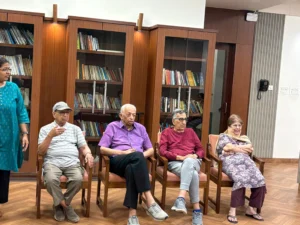
At The Golden Estate, we understand the importance of helping senior citizens maintain their comfort, dignity, and independence as they grow older.
Located in Faridabad, Haryana, The Golden Estate offers independent and assisted living options designed around the needs of older adults.
Our community provides access to an in-house physiotherapist, 24/7 medical support, assistance with daily living, and recreational facilities that encourage Residents to remain engaged.
We recognise that every senior has different needs. Some may require support with routine activities, while others may be looking for an environment where they can maintain an active and fulfilling lifestyle.
By bringing together professional support, comfortable living arrangements, and opportunities for social interaction, The Golden Estate aims to make everyday life more convenient and reassuring for Residents and their families. Families who would like to experience the community first can also consider a trial stay.
To learn more about our facilities and available care services, explore The Golden Estate or contact our team.
Conclusion
Physiotherapy for senior citizens is about much more than managing pain or recovering from an injury. It helps older adults preserve the physical abilities that allow them to live with confidence and independence.
From improving balance and strengthening muscles to supporting recovery after surgery, the right Physiotherapy programme can make a meaningful difference to everyday life.
The key is to begin with exercises suited to the individual’s health, remain consistent, and seek professional guidance when needed.
Because healthy ageing is not simply about living longer. It is also about maintaining the ability to enjoy everyday life as comfortably and independently as possible.
Frequently Asked Questions
1. Is Physiotherapy safe for senior citizens above 70 or 80?
Yes, Physiotherapy can be beneficial for people in their 70s, 80s, and beyond. Exercises must be adapted to the person’s medical condition, physical ability, and mobility limitations. Age alone does not determine whether Physiotherapy is suitable.
2. Which Physiotherapy exercises are best for elderly people?
Common exercises include seated marching, ankle pumps, seated knee extensions, supported heel raises, and sit-to-stand movements. The best exercises depend on the senior’s strength, balance, health conditions, and treatment goals.
3. Can Physiotherapy help elderly people walk again?
Physiotherapy may help some older adults regain walking ability after surgery, injury, stroke, or prolonged inactivity. Outcomes depend on the underlying medical condition and the extent of physical impairment. Complete recovery cannot be guaranteed.
4. How many days a week should senior citizens do Physiotherapy?
The frequency depends on the condition and treatment plan. Some seniors may need supervised rehabilitation several times a week, while others may follow regular home exercises between appointments. A Physiotherapist should recommend an appropriate schedule.
5. Is Physiotherapy beneficial for arthritis in old age?
Yes. Physiotherapy can help people with arthritis improve muscle strength, joint movement, and physical function. Exercises should be adapted to pain levels, affected joints, and medical recommendations.
6. Can Physiotherapy prevent falls in older adults?
Strength and balance training can reduce fall risk, particularly when included in a structured programme. However, fall prevention may also require medication reviews, vision assessments, safe footwear, and changes to the home environment.
7. Can Physiotherapy be performed at home?
Many Physiotherapy exercises can be performed at home after proper assessment and instruction. Seniors with significant balance problems, recent surgery, or complex medical conditions may require supervised sessions.
8. When should Physiotherapy begin after surgery?
The appropriate starting time depends on the type of surgery, the patient’s medical condition, and the surgeon’s instructions. Some rehabilitation begins early under professional supervision, while certain movements may need to be restricted until healing has progressed.