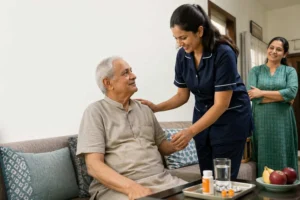

Retirement is one of the biggest changes in a person’s life. After spending decades working, raising a family, and managing responsibilities, reaching 60 brings an opportunity to focus on personal interests, relationships, health, and everyday comfort.
But a comfortable retirement does not happen automatically.
Many people spend years planning their retirement savings but give less thought to how they want to live after leaving work. Where will they stay? How will they manage healthcare? What will their daily routine look like? And who will be available if they need assistance in the future?
These questions are particularly relevant in India, where changing family structures, rising living costs, and longer life expectancy are influencing how senior citizens approach retirement.
Retirement planning after 60 in India should go beyond financial security. It should include healthcare, housing, social connections, personal independence, and long-term care arrangements.
Whether you plan to continue living in your family home, move closer to your children, or explore a senior living community, making informed decisions can help you enjoy a more comfortable and fulfilling retirement.
Here is a practical guide to planning retirement life in India.
Why Is Retirement Planning Important After 60?
Many Indians begin thinking seriously about retirement when they approach 60. By this stage, they may have completed their professional responsibilities, accumulated savings, and achieved important family milestones.
However, retirement introduces a new set of financial and lifestyle considerations.
A regular salary may stop, healthcare requirements may increase, and daily routines can change significantly.
Someone who previously spent most of the day at work may suddenly have more free time but fewer opportunities for social interaction.
Similarly, a large family home may become difficult to maintain as physical needs change.
Planning helps address these concerns before they become urgent.
A good retirement plan can help senior citizens:
- Maintain financial stability without depending entirely on family members.
- Access appropriate healthcare and emergency assistance.
- Live in a safe and comfortable environment.
- Remain physically and mentally active.
- Maintain friendships and family relationships.
- Prepare for changing care requirements.
- Protect their independence and personal choices.
The objective is not simply to stop working. It is to create a lifestyle that remains comfortable, practical, and sustainable over time.
1. Assess Your Financial Situation Before Retirement
Financial stability is an important foundation for comfortable retirement living.
Before making major lifestyle decisions, review your savings, income sources, investments, liabilities, and monthly expenses.
Start by identifying the income you can reasonably expect after retirement.
Common retirement income sources in India include pensions, Employees’ Provident Fund (EPF) savings, National Pension System (NPS) withdrawals or annuities, fixed deposits, government savings schemes, rental income, and other investments.
Next, calculate your expected monthly living expenses.
Example of a Monthly Retirement Budget in India
| Expense category | Illustrative monthly amount |
| Groceries and household expenses | ₹12,000 |
| Electricity, utilities and maintenance | ₹5,000 |
| Healthcare and medicines | ₹6,000 |
| Transport and personal needs | ₹4,000 |
| Recreation and social activities | ₹4,000 |
| Contingency provision | ₹4,000 |
| Total | ₹35,000 |
This example assumes a retiree living in an owned home without rent, housing loan payments, or paid caregiving services. It is not a national average or a recommended minimum retirement budget.
Actual expenses depend on location, household size, health conditions, lifestyle, and housing arrangements.
If the person requires regular nursing support, specialised medical treatment, or assisted living, the budget could be considerably higher.
Review your expenses at least once a year and adjust your plan for inflation.
2. Create a Reliable Retirement Income Plan
A retirement plan should provide enough money for everyday living while preserving funds for future needs.
Depending entirely on one income source may create financial difficulties if interest rates change, expenses rise, or unexpected costs occur.
Retirees can consider a combination of suitable income-generating and savings options after evaluating risk, liquidity, and taxation.
Senior Citizens Savings Scheme (SCSS)
The Senior Citizens Savings Scheme is a government-backed savings option designed primarily for people aged 60 and above, with certain early eligibility provisions for qualifying retirees.
As of October to December 2026, the applicable interest rate is 8.2% per annum, with interest payable quarterly.
The scheme has a five-year tenure and allows eligible investors to deposit up to ₹30 lakh, subject to applicable rules.
Rates for new deposits are reviewed periodically, so confirm the latest terms before investing.
Bank Fixed Deposits
Fixed deposits are popular among retirees because they offer predictable interest payments.
Some banks provide additional interest to senior citizens.
However, interest rates, premature withdrawal conditions, taxation, and deposit safety should be considered.
Eligible bank deposits are insured by DICGC up to ₹5 lakh per depositor per bank, including principal and interest, subject to the scheme’s conditions.
Other Retirement Investments
Depending on personal circumstances, retirees may also consider suitable annuities, post-office income schemes, debt investments, and diversified investments.
Products with market risk may be appropriate for some retirees but unsuitable for others.
Before making investment decisions, consult a qualified financial adviser who can evaluate your income requirements, risk tolerance, tax position, and expected retirement duration.
3. Plan for Healthcare and Medical Expenses
Healthcare is one of the most important considerations when planning retirement after 60.
Even physically active older adults may develop medical conditions that require regular consultations, medicines, diagnostic tests, or hospitalisation.
A retirement plan should account for both routine healthcare expenses and unexpected emergencies.
Review Your Health Insurance
Check whether your existing health insurance provides sufficient protection.
Pay attention to:
- Sum insured and policy exclusions.
- Waiting periods for pre-existing illnesses.
- Co-payment requirements.
- Room rent limits and hospital network.
- Renewal provisions and annual premiums.
- Coverage for specific procedures or treatments.
For senior citizens aged 70 and above, the government’s Ayushman Bharat PM-JAY expansion provides eligible access to hospitalisation coverage under the Ayushman Vay Vandana initiative, irrespective of income. Families should verify enrolment, applicable benefits, and participating hospitals.
Schedule Regular Health Check-ups
Routine preventive care can help identify and manage certain health concerns.
Depending on medical advice, seniors may need monitoring for blood pressure, diabetes, cholesterol, vision, dental health, and other age-related conditions.
Keep Medical Information Accessible
Maintain an updated record of prescriptions, allergies, existing illnesses, doctors’ contact details, and emergency information.
Family members or designated caregivers should know where to find these records when necessary.
4. Choose the Right Place to Live After Retirement
One of the most important decisions after retirement is where to live.
Some people prefer their existing family home, while others consider downsizing, relocating to a quieter city, or moving into a senior living community.
The right option depends on health, financial circumstances, personal preferences, and access to support.
Staying in Your Own Home
Living in a familiar environment allows seniors to maintain their existing routines, relationships, and independence.
However, home maintenance, security, stairs, household responsibilities, and access to emergency help can become challenging.
Living With Family Members
Staying with adult children may offer companionship and practical assistance.
But this arrangement works best when everyone is comfortable with the available space, daily routines, privacy, and caregiving responsibilities.
Moving to a Senior Living Community
Senior living communities are another option for retirees who want fewer household responsibilities and easier access to daily support.
Depending on the community, facilities may include meals, housekeeping, security, recreational activities, healthcare coordination, and assistance with everyday tasks.
A suitable community should offer opportunities for independence rather than unnecessarily restricting residents’ choices.
Comparing Retirement Housing Options
| Housing option | Potential advantages | Important considerations |
| Own home | Familiar surroundings and greater control | Maintenance, accessibility, emergency support |
| Living with family | Family interaction and shared responsibilities | Privacy, availability of caregivers |
| Independent senior living | Community activities and convenient services | Monthly fees and included facilities |
| Assisted living | Support with everyday activities | Care capabilities, staffing and additional costs |
Families should evaluate both current requirements and needs that may develop later.
5. Make Your Living Environment Safe and Comfortable
The physical design of a home becomes increasingly important after retirement.
A comfortable retirement home should be easy to move around, well-lit, secure, and accessible.
Consider installing grab bars in bathrooms, improving lighting near staircases, using non-slip flooring, and removing obstacles from walking areas.
Frequently used household items should be stored within easy reach.
If possible, choose a home with minimal stairs or reliable lift access.
It is also worth considering how easily someone could obtain help during an emergency.
Small changes made early can reduce unnecessary physical strain and help seniors continue living independently.
6. Maintain a Healthy and Active Lifestyle
Retirement provides an opportunity to develop healthier routines.
Regular physical activity can support cardiovascular health, muscle strength, flexibility, balance, and emotional well-being.
Depending on their medical condition and abilities, seniors may enjoy walking, yoga, gardening, swimming, gentle strengthening exercises, or supervised physiotherapy.
According to the World Health Organization, older adults should aim for regular aerobic activity and include muscle-strengthening and balance exercises suited to their capabilities.
However, exercise programmes should be adjusted for existing health conditions and mobility limitations.
Nutrition is equally important.
A balanced diet with suitable protein sources, vegetables, fruits, whole grains, and adequate fluids can support healthy ageing.
Read more in our guides on Nutrition for Senior Citizens: Daily Diet, Protein and Healthy Ageing and Physiotherapy for Senior Citizens: Benefits, Exercises and Recovery.
7. Build a Meaningful Daily Retirement Routine
One of the less-discussed challenges of retirement is the sudden absence of a structured working day.
For someone who has followed a professional routine for 30 or 40 years, the transition can feel unfamiliar.
Without meaningful activities, days may become repetitive.
Creating a balanced daily routine helps retirees remain physically active, socially connected, and mentally engaged.
Example of a Comfortable Daily Routine After 60
| Time | Suggested activity |
| 7:00 AM | Wake up, light stretching and morning walk |
| 8:30 AM | Breakfast and personal time |
| 10:00 AM | Reading, gardening, hobbies or community activities |
| 12:30 PM | Lunch and relaxation |
| 3:00 PM | Family calls, social interaction or personal interests |
| 5:00 PM | Evening walk or suitable physical activity |
| 7:30 PM | Dinner and leisure time |
| 9:30 PM | Prepare for sleep |
This is only an example. A useful routine should reflect personal preferences, cultural practices, health, and energy levels.
The aim is to create a sense of purpose without making retirement feel like another demanding schedule.
8. Stay Socially Connected and Avoid Isolation
Retirement can change a person’s social circle.
Former colleagues may become less accessible, children may live in different cities, and opportunities for regular interaction may decrease.
For some seniors, this creates feelings of loneliness.
Maintaining strong social connections is an important part of healthy ageing.
Retirees can remain socially active by joining hobby groups, attending community events, meeting friends, volunteering, or participating in religious and cultural activities.
Technology can also help older adults communicate with family members who live elsewhere.
Video calls, messaging applications, and online interest groups may provide additional opportunities for connection.
For seniors living alone, nearby community activities and regular social contact can be especially valuable.
9. Plan for Changing Care Needs
A retirement plan should not assume that health and independence will remain unchanged forever.
Someone who manages all household activities comfortably at 60 may need additional assistance at 75 or 80.
Preparing early can help families respond more effectively if circumstances change.
Consider questions such as:
- Who will assist if a medical emergency occurs?
- Is reliable help available for daily activities?
- Can the home accommodate reduced mobility?
- What happens if a spouse requires long-term care?
- Are children or relatives available to provide support?
- Would professional home care or assisted living become necessary?
Discussing these possibilities does not mean expecting poor health.
It means making practical arrangements while the senior citizen can actively participate in decisions.
10. Organise Important Financial and Legal Documents
A comfortable retirement also requires administrative preparation.
Important financial and legal matters should not be postponed indefinitely.
Seniors should consider reviewing their wills, nominations, insurance policies, property records, pension details, and bank account information.
It is also useful to maintain an organised list of important contacts and documents.
For complex estate planning, succession issues, or powers of attorney, seek qualified legal guidance.
Ensure trusted family members know how important documents can be accessed when necessary, without unnecessarily sharing financial passwords or sensitive information.
11. Understand the Cost of Independent and Assisted Senior Living
When exploring retirement accommodation, monthly fees are only one part of the decision.
Families should compare what is included in the price and what attracts additional charges.
Possible expenses include accommodation, meals, housekeeping, laundry, personal care, medication assistance, medical consultations, physiotherapy, transportation, and emergency services.
Ask whether charges increase when a resident needs more assistance.
It is also important to understand deposit requirements, cancellation conditions, refund policies, and arrangements for hospitalisation.
A lower advertised price does not necessarily mean a lower overall cost.
Compare complete monthly estimates for the level of care actually required.
12. Involve Your Family Without Giving Up Independence
In India, retirement decisions often involve the entire family.
Adult children may want their parents to live nearby, while parents may prefer their existing home and social circle.
These preferences do not always match.
Healthy retirement planning requires open discussions about finances, living arrangements, healthcare, privacy, and future support.
Older adults should remain central to decisions affecting their own lives whenever they have the capacity to decide.
Families can offer information, practical help, and reassurance without unnecessarily taking control.
A comfortable retirement is more likely when personal independence and family support work together.
Common Retirement Planning Mistakes to Avoid
Even people with adequate savings can face problems if they overlook everyday retirement needs.
Planning Only for Financial Security
Money is essential, but good health, social interaction, housing, and access to care also influence retirement quality.
Underestimating Healthcare Expenses
Routine medicines, medical tests, hospitalisation, and long-term caregiving can create significant costs.
Ignoring Inflation
An amount that comfortably covers expenses today may be inadequate a decade later.
Postponing Housing Decisions
Waiting until a medical emergency occurs can make choosing suitable accommodation more stressful.
Becoming Socially Isolated
Retirement should not mean withdrawing from relationships, interests, or community activities.
Depending Entirely on Children
Family support can be valuable, but changing careers, locations, and responsibilities may affect how much assistance children can provide.
Planning for alternative support helps protect everyone’s independence.
A Practical Retirement Planning Checklist After 60
Use this checklist when reviewing your retirement arrangements.
- Calculate monthly income and essential expenses.
- Review retirement savings and investment risks.
- Maintain accessible emergency funds.
- Check health insurance and medical coverage.
- Schedule routine health assessments.
- Evaluate the safety and accessibility of your home.
- Establish a comfortable daily routine.
- Include physical activity and balanced nutrition.
- Maintain regular social interaction.
- Discuss future care needs with family.
- Organise legal and financial documents.
- Compare professional care and senior living options if appropriate.
Completing these steps provides a useful starting point, but plans should be reviewed as circumstances change.
Comfortable Retirement Living at The Golden Estate
At The Golden Estate, we understand that retirement is not only about having a place to stay. It is about being able to enjoy daily life with comfort, independence, security, and suitable support.
Located in NIT Faridabad, Delhi NCR, The Golden Estate is a senior living community offering independent and assisted living options for senior citizens.
Our facilities are designed to help Residents enjoy a convenient lifestyle while reducing many of the routine responsibilities associated with maintaining a home.
The community offers furnished accommodation, freshly prepared meals, housekeeping and laundry services, 24/7 security, medical support, and opportunities for recreational and social activities.
Residents also have access to an in-house physiotherapist and other support services suited to their needs.
For older adults who value personal space but appreciate having assistance available when required, a senior living community can be worth considering.
Families can explore the available living arrangements, understand the services included, and assess whether the environment matches their loved one’s preferences and care requirements.
Planning retirement accommodation early gives seniors more time to compare options and make decisions comfortably.
To learn more about independent and assisted living at The Golden Estate, visit www.thegoldenestate.com or contact our team to arrange a visit.
Conclusion
Planning a comfortable retirement after 60 in India requires more than building a retirement fund.
Financial stability, accessible healthcare, suitable housing, meaningful relationships, physical activity, and future care arrangements all contribute to quality of life.
The best retirement plan is one that reflects individual needs and preferences while remaining flexible enough to accommodate changing circumstances.
Some seniors will be happiest in their existing homes, surrounded by familiar neighbours and routines. Others may prefer living closer to family or exploring the convenience of a dedicated senior living community.
Whatever the choice, thoughtful planning makes it easier to maintain independence, manage everyday responsibilities, and spend retirement doing the things that matter most. For a closer look at what that can feel like day to day, see our guide to peaceful retirement living.
Frequently Asked Questions
1. How can I plan a comfortable retirement after 60 in India?
Start by reviewing your savings, income, and monthly expenses. Then assess your health insurance, housing needs, daily routine, social connections, and possible future care requirements. A comprehensive retirement plan should address both financial security and lifestyle.
2. How much money is needed for retirement in India?
There is no fixed amount suitable for everyone. The required savings depend on monthly expenses, retirement age, expected lifespan, healthcare costs, inflation, housing arrangements, and other income sources. A financial adviser can help estimate an appropriate retirement corpus.
3. What is the best investment option for senior citizens in India?
Options such as the Senior Citizens Savings Scheme, bank fixed deposits, annuities, and suitable diversified investments may be considered. The best combination depends on income requirements, investment risk, liquidity, and taxation.
4. Is 60 a good age to move into a retirement community?
There is no ideal age for joining a retirement community. Some people choose independent senior living soon after retirement for convenience and social opportunities. Others consider it later when they require more assistance.
5. How can senior citizens stay active after retirement?
Walking, gentle exercises, gardening, yoga, hobbies, volunteering, and community activities can help older adults maintain physical and mental engagement. Activities should be appropriate for the individual’s health and mobility.
6. What is the difference between independent living and assisted living?
Independent living is generally designed for older adults who manage most daily activities themselves but prefer convenient services and community facilities. Assisted living provides additional support with activities such as bathing, dressing, mobility, or medication routines, depending on the provider’s capabilities.
7. What should I look for in a retirement home in India?
Consider location, safety, accessibility, healthcare support, staffing, meals, cleanliness, activities, privacy, monthly costs, and the availability of additional care as needs change. Visiting the community before making a decision is strongly recommended.
8. Can senior citizens live independently after 70?
Many older adults continue living independently well beyond 70. The ability to do so depends on health, mobility, cognitive function, home safety, and access to appropriate support. Age alone should not determine living arrangements.