Most families do not wake up one morning and suddenly decide their parents need assisted living support. It usually starts with small things. A missed medicine dose, burnt utensils inside the kitchen, unanswered phone calls, clothes that no longer look properly washed. Then slowly, those small moments begin stacking on top of each other.
The difficult part is this. Many parents try to hide their struggles. Pride plays a role. Fear plays a role, too. Some seniors worry their children may force them out of their homes if they admit they are struggling. Because of that, families often ignore the early signs that parents need assisted living until something stressful finally happens.
In many homes, the conversation starts after seeing visible elderly care warning signs during a visit. The house feels quieter than usual. Meals are irregular. The refrigerator contains expired food. Medicines lie untouched near the bedside. Adult children begin realizing their ageing parents need assistance much earlier than expected, even if nobody says it aloud initially.
- Their Home No Longer Feels Comfortable Or Maintained
A person’s living space usually reflects their physical and emotional condition. Parents who once kept everything organized may suddenly struggle with basic upkeep.
You may begin noticing:
- Dust is collecting everywhere.
- Unwashed clothes piling up.
- Food stains left unattended.
- Utility bills are remaining unpaid.
- Bathrooms are becoming unsafe.
- Bedsheets are unchanged for long periods.
These details seem small individually. Together, they tell a different story.
Many seniors living alone in Delhi NCR and Faridabad face this issue quietly. Their children often live abroad or work in different cities. Some families arrange temporary domestic help, though that support rarely covers emotional well-being, medical observation, meal planning, or emergency supervision properly.
That is one reason communities like The Golden Estate were created in the first place. The entire facility was designed around senior comfort instead of making seniors adjust to difficult living environments. Their Suites and Studios include anti-skid flooring, emergency call buttons, ergonomic furniture, grab bars, and round-the-clock support from trained staff.
The environment feels more like a peaceful Residential Community than a medical facility. That distinction matters emotionally.
- They Begin Forgetting Medicines And Appointments
This becomes one of the clearest signs parents need assisted living because medication mistakes can create serious health problems quickly.
Some seniors forget whether they have already taken their medicines. Others miss doctor appointments repeatedly. A few begin confusing prescription timings altogether. Families often try solving this remotely through reminder calls. Sometimes that works for a while. Then things begin slipping again.
There is another side people rarely discuss openly. Constant dependence on reminder calls slowly affects confidence. Seniors begin feeling frustrated with themselves. Children feel anxious throughout the day. Nobody really feels settled anymore.
At The Golden Estate, Residents receive continuous health monitoring through in-house medical support teams. Preventive health check-ups, medicine management support, emergency evacuation coordination, and nearby hospital access create a safer setup for seniors dealing with changing health conditions.
The location also makes a practical difference. The property sits close to leading hospitals, including Amrita, Asian, Fortis, Metro, Marengo Asia, Sarvodaya, SSB & Yatharth. During emergencies, that proximity matters far more than people initially realize.
- Isolation Starts Becoming Their Daily Routine
Loneliness changes people quietly.
Parents who once enjoyed conversations may stop answering calls regularly. Social visits begin decreasing. Some seniors avoid gatherings because movement feels tiring. Others simply lose interest after spending too much time alone.
Children often misunderstand this phase. They assume their parents prefer privacy. Sometimes that is partly true. Yet prolonged isolation usually affects emotional and physical health together.
Many families researching ageing parents need assistance to first notice emotional withdrawal before physical decline becomes obvious.
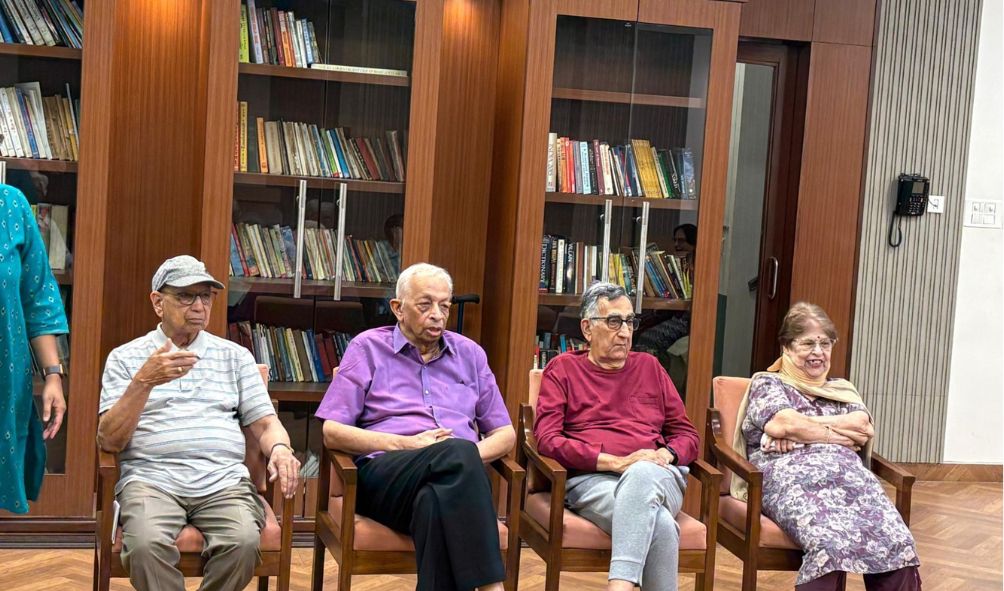
At The Golden Estate, community interaction forms a major part of everyday life. Residents participate in recreational activities, wellness sessions, shared dining experiences, indoor games, yoga, reading lounges, and social gatherings throughout the year.
That social environment changes daily routines significantly. Seniors stop feeling isolated inside empty apartments. They wake up around people within similar life stages, similar emotional experiences, and similar routines. Friendship becomes part of daily living again.
Perhaps that emotional comfort matters more than most brochures ever explain properly.
- Cooking And Eating Habits Change Suddenly
Food patterns reveal a lot about a senior’s condition.
A parent who once cooked regularly may suddenly rely on biscuits, tea, or packaged snacks throughout the day. Some stop cooking because standing inside the kitchen feels physically exhausting. Others fear slipping or burning themselves while handling appliances.
Watch closely for these patterns:
| Behaviour | What It May Mean |
| Spoiled food inside refrigerator | Forgetfulness |
| Sudden weight loss | Poor nutrition |
| Burnt utensils | Reduced concentration |
| Empty kitchen shelves | Low energy or mobility issues |
| Repeated meal skipping | Emotional withdrawal |
These remain common elderly care warning signs among seniors living independently without regular supervision.
The Golden Estate approaches meals differently compared to many conventional retirement setups. Residents receive freshly prepared meals along with access to in-house bakery services. Dietary needs are monitored carefully while still maintaining a home-style dining experience.
That balance matters because seniors rarely enjoy environments that feel overly clinical or restrictive.
- Personal Hygiene Starts Declining
Families usually notice this during close interactions.
Clothes remain unchanged for days. Grooming habits disappear. Bathing becomes irregular. Some seniors begin avoiding visitors completely because they no longer feel comfortable socially.
This stage becomes emotionally difficult for adult children. Nobody wants to embarrass their parents. Because of that, many families avoid discussing hygiene concerns directly.
Still, declining hygiene often points toward deeper physical or emotional struggles.
Mobility pain may prevent safe bathing. Fear of falling inside bathrooms can also create avoidance behaviour. In certain cases, memory-related conditions contribute to these patterns too.
These situations frequently appear among the strongest signs parents need assisted living, especially when combined with isolation or medication confusion.
The Golden Estate addresses these challenges through housekeeping assistance, laundry services, senior-friendly washroom layouts, assistive care options, and trained support staff available throughout the day and night.
Residents maintain dignity while still receiving practical help where needed. That emotional balance changes how seniors respond to care itself.
- Falls And Physical Weakness Become More Frequent
One fall can completely alter a senior’s confidence.
After experiencing dizziness, balance loss, or physical injury, many seniors begin limiting movement inside their own homes. They stop using stairs. They avoid bathing independently. Some even reduce walking entirely because fear enters their daily routine.
Families often discover these incidents accidentally. Parents rarely share the full truth immediately because they worry about becoming a burden.
This becomes one of the most overlooked signs that parents need assisted living.
At The Golden Estate, physical support extends beyond emergency response. Residents have access to physiotherapy support, wellness-focused activity areas, mobility-friendly infrastructure, elevators, secure walking spaces, and continuous staff supervision when needed.
Their long-term Residents especially benefit from routines built around safe movement and physical stability. The environment itself reduces unnecessary physical strain.
That practical detail matters much more than decorative amenities.
- Family Members Feel Constant Anxiety
Sometimes the biggest sign appears inside the family itself.
Children begin calling repeatedly throughout the day. Sleep becomes disturbed after unanswered calls. Work routines suffer because someone always worries about emergencies happening while parents are alone.
Many families try to balance everything independently at first. They arrange part-time caregivers. They request neighbours to check occasionally. They install cameras. Yet the emotional pressure keeps growing quietly.
At some point, caregiving stops feeling temporary.
This is often when families finally accept the growing signs that parents need assisted living instead of treating each issue separately.
Places like The Golden Estate do not remove family involvement. They reduce the constant fear surrounding everyday safety, meals, medication management, mobility support, and medical emergencies.
That emotional relief affects children deeply, too, though people rarely admit it openly.
Why Families In Delhi NCR Are Choosing Structured Senior Living Earlier
A noticeable shift has happened over recent years.
Many families now prefer planned senior living arrangements before major medical crises occur. Earlier generations often waited until situations became severe. That delay created emotional stress for everyone involved.
Communities like The Golden Estate were built around this changing reality. Their independent and assisted living model allows seniors to maintain personal freedom while still receiving structured support whenever required.
Residents receive:
- 24×7 security.
- In-house medical supervision.
- Recreational engagement.
- Housekeeping assistance.
- Laundry support.
- Wellness-focused facilities.
- Clubhouse access.
- Yoga and meditation spaces.
- Air-conditioned furnished suites & studios
- Internet and DTH connectivity.
- Emergency response support.
The location inside Faridabad also remains highly practical for families connected to Delhi NCR. Visits stay manageable without requiring constant long-distance travel planning.
That accessibility creates emotional comfort for both Residents and families.
Choosing Support Before Things Become Worse
Many people associate assisted living with losing independence. That assumption often delays important decisions.
The reality feels very different inside properly designed senior communities.
Good assisted living environments give seniors structured support without removing dignity, freedom, or personal comfort. Residents continue socializing, celebrating occasions, hosting guests, maintaining routines, and living within active communities built around their age group and lifestyle needs.
The Golden Estate has spent more than a decade building that environment carefully. Their approach combines emotional warmth, practical caregiving, wellness-focused living spaces, emergency preparedness, social engagement, and medical supervision within a secure community setting.
Families searching for dependable senior support often want more than occasional caregiving help. They want reassurance that their parents remain safe, respected, socially connected, and emotionally comfortable every single day.
That peace of mind becomes difficult to ignore once the early signs become impossible to overlook.
Also Read: